CNN Exposes the Shandong Refinery Network Keeping Iran's Oil Money Flowing
A CNN investigation maps the Chinese ports, tankers and small refineries that turn sanctioned Iranian crude into cash for Tehran, just as Trump lands in Beijing to meet Xi Jinping.

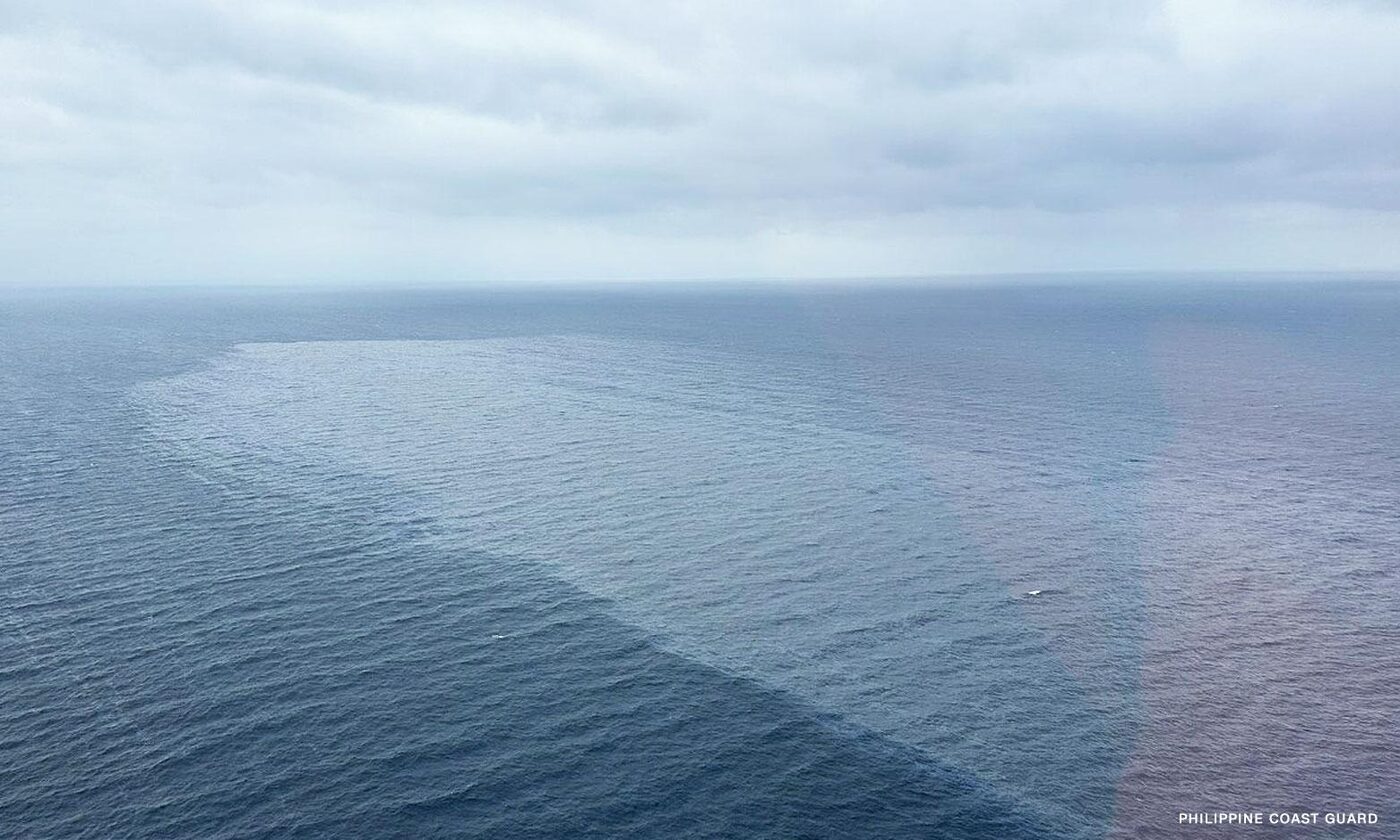
Follow the oil and it ends up in Shandong. A CNN investigation published May 12 traced roughly 1.5 million barrels a day of sanctioned Iranian crude arriving over March and April at four ports along the province's Yellow Sea coast, plus the northern port of Dalian. That crude feeds a cluster of small, privately owned Chinese refineries the industry calls teapots, and the money it generates flows back to Tehran. CNN put a figure on it: an estimated $32.5 billion in Iranian oil sold to China last year, with Iran keeping about two-thirds after middlemen and shippers take their cut.
The timing is the story. Trump touched down in Beijing this week for a summit with Xi Jinping running roughly May 13 to 15, with Iran's oil revenue, trade and Taiwan all on the table. On the eve of his departure, the U.S. Treasury blacklisted 12 more people and entities tied to moving Iranian oil into China. The quiet plumbing of the sanctions-evasion trade got pulled onto the negotiating table.
What a teapot actually is
Teapot refineries are small independent processors, mostly in Shandong, that turn crude into gasoline, diesel and petrochemical feedstock. They run on thin margins and they run on discounted oil, which is exactly why sanctioned Iranian barrels are attractive. "These are small plants that operate on thin margins," Erica Downs of Columbia University's Center on Global Energy Policy told CNN. Cheap crude that no major buyer will touch is their edge.
These plants sit outside China's state oil majors, which have largely backed away from Iranian cargoes to avoid U.S. secondary sanctions on their dollar business and overseas assets. The teapots have less to lose. Many have no meaningful exposure to the U.S. financial system, so a Treasury designation that would cripple a state giant barely dents them. That asymmetry is the whole reason the trade survives.
How the crude gets in the door
The evasion is mechanical, and CNN laid out the steps. Iranian crude rarely arrives labeled as Iranian. Tankers switch off their transponders, meet at sea and move oil ship to ship, then it gets re-papered, often as a Malaysian blend, before it reaches a Chinese pier.
CNN documented one run in detail. An Iranian-flagged tanker, the Herby, operated by state producer NIOC, was intercepted by the destroyer USS Rafael Peralta in late April. Before that, its cargo had already been passed at anchorage to another vessel, the Huancayo, which then went dark for three days before surfacing at a pier near Yantai in Shandong. Turn off the tracking, transfer the barrels, relabel the origin, deliver. Repeat.
Kpler's Muyu Xu, a senior crude analyst cited in the reporting, is among the trackers who follow these ships through satellite data and port calls, piecing together a trade its participants work hard to hide.
The numbers that matter
The scale climbed as the region's conflict dragged on. Iranian crude made up about 13 percent of China's seaborne oil imports before the war, CNN reported, and jumped to roughly 18 percent last month. China takes the overwhelming majority of Iran's oil exports, which makes these Shandong plants Tehran's single most important customer base and its most exposed pressure point.
- About 1.5 million barrels a day of Iranian crude into four Shandong ports and Dalian across March and April.
- An estimated $32.5 billion in Iranian oil sold to China last year, Iran keeping roughly two-thirds.
- Iranian crude rising from about 13 percent to 18 percent of China's seaborne imports as the war intensified.
Washington tightens, Beijing digs in
The U.S. campaign predates the summit. In late April, Treasury's Office of Foreign Assets Control warned banks and financial institutions they risk secondary sanctions if they help settle transactions for teapots buying Iranian oil. Treasury has named specific processors, among them Shandong Jincheng Petrochemical Group, Hebei Xinhai Chemical Group, Shouguang Luqing Petrochemical and Shandong Shengxing Chemical. Hengli Petrochemical's Dalian refinery was hit last month. The idea is to make Iranian barrels radioactive to anyone who touches a dollar.
Beijing answered on May 2 by invoking its 2021 anti-sanctions Blocking Rules for the first time since they were written. China's Ministry of Commerce issued a formal order directing the sanctioned refineries to ignore the U.S. measures, calling them a violation of international law and unilateral penalties that lack United Nations backing. "The Chinese government has consistently opposed unilateral sanctions that lack authorization from the United Nations and a basis in international law," the ministry said.
That order does two things. It gives the teapots legal cover at home to keep buying, and it signals that Xi is not going to quietly hand Trump a win by choking off Iran's lifeline.
What it means for the summit
Trump wants leverage over Iran, and the fastest route runs through Chinese demand. Cut off the teapots and Tehran's oil revenue collapses. But the trade is built to absorb designations. The refineries are small, numerous and largely dollar-insulated, the tankers reflag and go dark, and Beijing has now made compliance with U.S. sanctions a legal offense inside China. Sanctioning one plant does not shut the pipe. Another teapot takes the cargo.
There is a live question of whether Trump uses these refineries as a bargaining chip, easing pressure in exchange for concessions on trade or the war. For now the mechanics are clear and the leverage is not. The oil keeps moving through Shandong, the money keeps reaching Tehran, and the two presidents meet with the whole apparatus laid bare on the table between them.
Sources
https://www.cnn.com/2026/05/12/china/china-oil-refineries-iran-xi-trump-intl-hnk-dsthttps://abc17news.com/news/national-world/cnn-world/2026/05/12/the-shadowy-network-of-chinese-oil-refineries-funding-iran/https://www.zerohedge.com/energy/ahead-trump-xi-summit-beijing-tells-chinese-firms-ignore-us-sanctions-teapot-refinerieshttps://asiatimes.com/2026/05/trump-xi-summit-set-to-weigh-iran-oil-taiwan-and-us-exports/https://spectrumlocalnews.com/us/snplus/international/2026/05/12/trump-trip-beijing-meeting-xi-jinping-china-summit-war-iran-taiwan-tariffs-elon-musk-tim-cook