Venezuela Stages Vote for Guyana's Essequibo, Defying ICJ Order
Caracas elected a governor and eight lawmakers for a territory it does not control, three weeks after the World Court told it not to.

Venezuela went ahead and did it. On Sunday, May 25, Nicolas Maduro's government held elections for a governor and eight national lawmakers to represent Essequibo, the 160,000-square-kilometer region that Guyana has administered for more than a century and that sits atop one of the largest offshore oil finds of the past decade. The winner for governor was Neil Villamizar, a Venezuelan navy admiral running on the ruling United Socialist Party ticket. Electoral authorities credited him with about 97.4 percent of the vote, or roughly 4,720 ballots, and declared him the first governor of what Caracas calls Guayana Esequiba, its self-proclaimed 24th state.
He will govern nothing. Not a single polling station opened inside Essequibo itself, home to roughly 125,000 people, almost all of them Guyanese citizens who were told by their own government that casting a Venezuelan ballot could amount to treason. Instead, the vote was run through a special micro-district carved out of Venezuela's neighboring Bolivar state, with about 21,403 registered voters near the border standing in for a population that never took part.
What the court actually ordered
The timing was the point. On May 1, the International Court of Justice in The Hague issued a provisional order in the long-running case Guyana brought against Venezuela, directing Caracas to refrain from conducting elections in the disputed territory while the substantive dispute is pending. Twelve judges backed the measure. It was not ambiguous, and it was not a suggestion; provisional measures under Article 41 of the court's statute are binding.
Venezuela rejected it within days. On May 3, the foreign ministry issued a communique dismissing the order and questioning the court's jurisdiction, a position Caracas has held since Guyana first filed in 2018. Maduro's team argued that a domestic Venezuelan election on Venezuelan soil is Venezuela's business, a framing that only works if you accept the premise the whole case disputes: that Essequibo is Venezuelan at all.
How Caracas got here
This vote did not come out of nowhere. In December 2023, Maduro held a referendum asking Venezuelans whether they backed claiming Essequibo and granting citizenship to its residents. The government reported overwhelming approval, though independent observers doubted the turnout figures. Caracas then passed a law creating the Guayana Esequiba state, printed new maps folding the region into the country, and in January 2025 announced it would elect a governor and legislative council for it. That announcement is what pushed Guyana back to The Hague to seek the additional provisional measures the court granted on May 1.
The dispute itself is old. An 1899 arbitral tribunal set the boundary, awarding the bulk of the contested land to what was then British Guiana. Venezuela accepted that line for decades before reviving its claim in the 1960s, arguing the arbitration was rigged. Guyana treats the 1899 award as settled and has asked the ICJ to affirm it. That merits ruling has not yet come, which is precisely why the interim orders matter: they are meant to keep either side from changing facts on the ground before the judges rule.
Why the oil changes everything
Essequibo was a backwater claim until ExxonMobil struck oil offshore in 2015. The Stabroek block has since turned Guyana, a country of under a million people, into one of the fastest-growing economies on earth. Production offshore now runs around 650,000 barrels per day, and the consortium led by ExxonMobil, with Hess and CNOOC as partners, is still adding capacity. The region also holds gold, diamonds and timber, but crude is the prize that revived a dormant border fight.
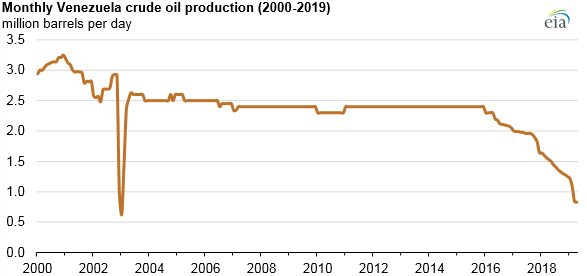
For Maduro, the arithmetic is straightforward. Venezuela sits on the world's largest proven oil reserves yet cannot fully sell them under U.S. sanctions and years of mismanagement have gutted its own output. Guyana, next door, is booming on oil that Venezuela's maps now claim. Staging an election for the territory is cheap, nationalist, and useful at home, where Maduro's legitimacy has been contested since the disputed 2024 presidential vote. The Essequibo card plays to patriotism at a moment when he needs it.
The border is getting hot
The rhetoric is not staying on paper. In the weeks around the vote, Guyana reported repeated gunfire against its troops in the Cuyuni River area of Essequibo. Georgetown said armed men in civilian clothes carried out three separate attacks on patrols in a single stretch of May, and in February six Guyanese soldiers were wounded in an ambush that Guyana blamed on gunmen crossing from the Venezuelan side. Caracas has denied responsibility for the attacks. Venezuela established a military zone near the border back in 2023, and the militarization has not eased.
President Irfaan Ali's government has leaned on legal and diplomatic channels rather than matching Venezuela's escalation. Guyana returned to the ICJ, pressed its case with regional bodies and the United States, and warned its own citizens away from the Venezuelan ballot. Washington, which has courted Guyana as an energy partner, has signaled it takes the sovereignty question seriously, though the shape of any U.S. response remains vague.
What the vote does and does not settle
Nothing about Sunday's result changes who controls Essequibo. Guyana's police, courts and schools still run the territory; Villamizar cannot set foot in the state he was elected to govern without crossing an international border under arms. The election is a claim dressed as an administrative act, an attempt to build a paper government that Caracas can point to later.
The real damage is to the court. When a UN body issues a binding order and a member state holds the very vote the order forbade three weeks later, it tests whether provisional measures mean anything without enforcement, and the ICJ has no police of its own. Guyana can go back to The Hague and ask the judges to note the breach, but the remedy for defiance is mostly reputational. That is a thin deterrent against a government that has already decided the court's authority does not bind it.
The merits ruling is still to come, and it will eventually declare where the border lies. Until then, expect Caracas to keep manufacturing facts: more maps, more appointments, more votes for offices that govern nothing. And expect the Cuyuni to stay dangerous. Two countries are now claiming the same oil, one of them holds the ground and the money while the other holds the guns and the grievance, and a court order just proved it can be ignored. That is not a dispute cooling down.
Sources
https://en.mercopress.com/2025/05/26/chavista-candidate-voted-governor-of-essequibo-amid-poor-turnouthttps://www.france24.com/en/live-news/20250526-venezuela-elects-representatives-for-guyana-administered-essequibohttps://www.aljazeera.com/news/longform/2025/5/23/borders-and-ballots-why-essequibo-is-controversial-in-venezuelas-electionhttps://dpi.gov.gy/international-court-of-justice-orders-venezuela-to-refrain-from-elections-in-guyanas-territory-pending-final-judgment/https://www.jamaicaobserver.com/2025/05/03/venezuela-rejects-icj-ruling-pending-elections-essequibo/https://tribune.net.ph/2025/05/16/gunmen-attack-guyana-troops-in-disputed-border-region-with-venezuela