US Sanctions Chinese Firms and Tankers Moving Venezuelan Crude in Year-End Blitz
Treasury blocked four companies in China and Hong Kong along with four tankers on the last business day of 2025, tightening a pressure campaign on the Maduro regime's oil trade.

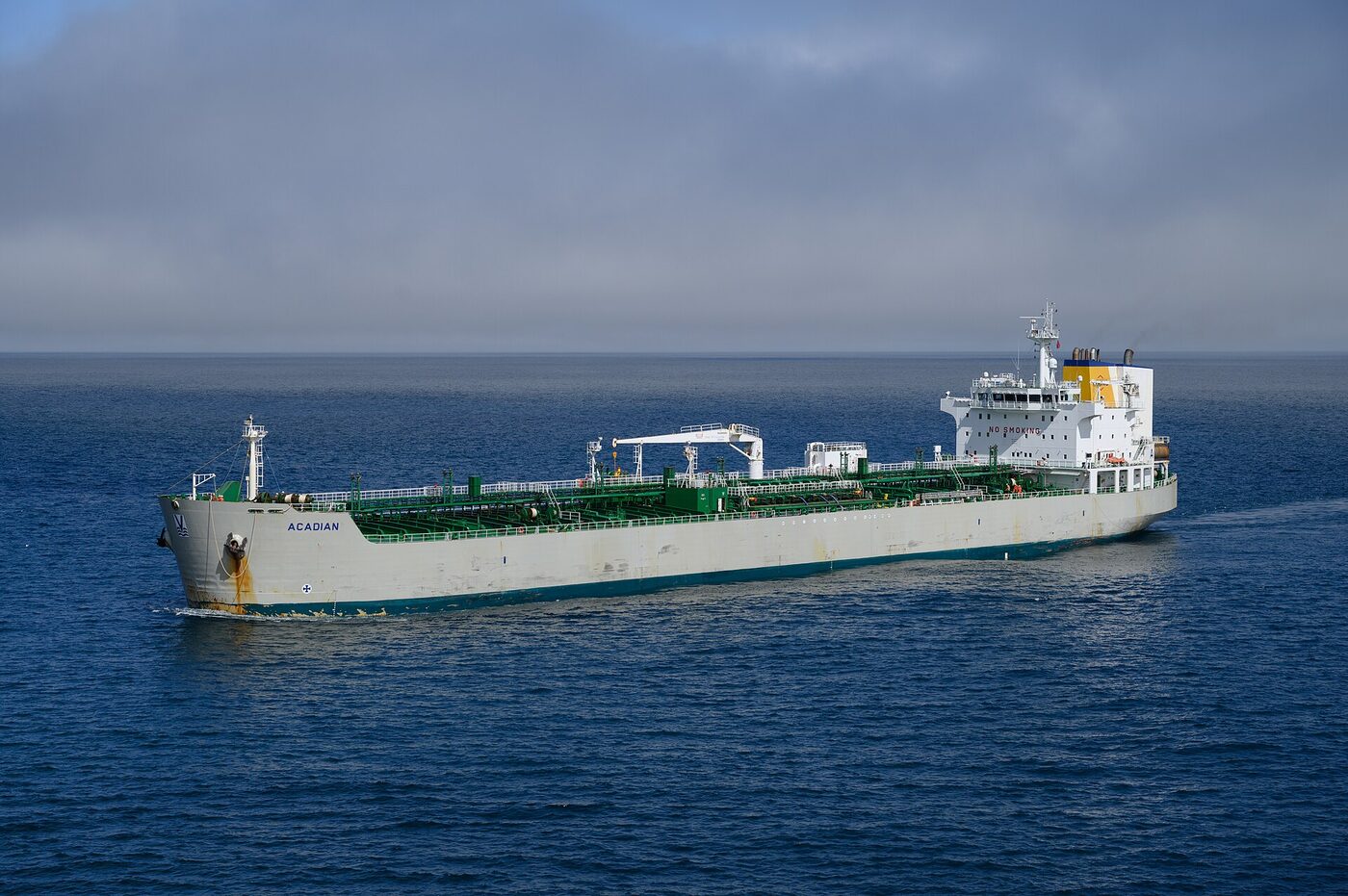
On the final business day of 2025, the Treasury Department reached into China's coastline and Hong Kong's registries and pulled four companies and four oil tankers out of the shadows. The Office of Foreign Assets Control added Corniola Limited, Aries Global Investment Ltd., Krape Myrtle Co, and Winky International Limited to its Specially Designated Nationals list, and named four vessels tied to them as blocked property: the Della, the Nord Star, the Rosalind, and the Valiant. Every one of them, OFAC said, has been feeding Venezuela's oil trade while the country sits under a US embargo.
The action is small in raw numbers and large in signal. Washington rarely designates Chinese firms over Venezuelan crude. China buys more Venezuelan oil than anyone else, and oil is roughly 95 percent of what the Maduro government earns. Going after Chinese buyers and the middlemen who move the barrels is a message aimed as much at Beijing as at Caracas.
Who got hit, and how the pieces connect
OFAC laid out the links vessel by vessel. Corniola Limited, based in Zhejiang province, and Krape Myrtle Co were tied to the Nord Star. Winky International Limited was connected to the Rosalind, a tanker that also runs under the name Lunar Tide. Aries Global Investment Ltd., registered in Hong Kong, was linked to two ships at once, the Della and the Valiant.
The vessels were designated as blocked property under Executive Order 13850, the sanctions authority the first Trump administration built out in 2019 when it froze PDVSA, Venezuela's state oil company, out of the US financial system. Once a ship lands on the SDN list, its owners lose access to US banks, US insurance, and any counterparty that wants to keep doing business with America. In practice a listed hull becomes radioactive. Ports get nervous, class societies pull back, and the ship is pushed further into the gray market it was already operating in.
A shadow fleet built to dodge exactly this
The tankers named here belong to what the industry calls a dark or shadow fleet: aging ships, opaque ownership, flags of convenience, and transponders that go quiet when it matters. Analysts count roughly 400 tankers moving Venezuelan and other sanctioned crude, and only about 40 percent of them currently carry US designations. That math tells you why Washington keeps coming back with new lists. Each blitz removes a handful of ships, and the trade reshuffles ownership and reflags the rest.
Ship-tracking data complicates the tidy narrative. Of the four vessels OFAC named, only one, the Rosalind, had been anywhere near Venezuela recently, and its usual work is short-haul cabotage rather than the long ocean crossing to Asia. That gap between the paperwork and the AIS trail is normal for this kind of case. Sanctions designations rest on ownership webs, past voyages, and ship-to-ship transfers on the open water, not just where a vessel happened to be sitting last week.
The bigger campaign behind the paperwork
This designation did not arrive alone. It capped a year-end surge of pressure on the Maduro government that ran well beyond a single OFAC list. Through December the administration paired sanctions with a heavy US military posture in the Caribbean, and Trump publicly described a blockade and a naval buildup in the region. The Treasury action fits that pattern: squeeze the money while the ships and the rhetoric squeeze everything else.
Treasury Secretary Scott Bessent tied the sanctions directly to the White House line on narcotics and revenue.
President Trump has been clear: We will not allow the illegitimate Maduro regime to profit from exporting oil while it floods the United States with deadly drugs.
Whether or not you accept that framing, the economic logic is straightforward. Cut off the tankers and you cut off the barrels. Cut off the barrels and you cut off the cash that keeps the government in Caracas solvent.
What this means for the crude trade
For the market, the immediate effect is friction, not a supply shock. Four ships coming off the board will not empty Venezuela's export terminals. What it does is raise the cost of every workaround. Owners willing to carry sanctioned crude demand fat premiums. Insurance gets harder to source. Discounts on Venezuelan grades widen, because the pool of buyers and carriers willing to touch the cargo keeps shrinking. Chinese independent refiners, the so-called teapots that have absorbed much of this oil, now have to weigh whether a cheap barrel is worth the risk of a US designation reaching their own suppliers.
That is the point of naming Chinese entities rather than only Venezuelan or offshore ones. It moves the risk up the chain, toward the customers and the intermediaries who thought distance from Caracas kept them clean. If Beijing reads it as a warning to keep state firms out of the standoff, the campaign has done part of its work without firing a shot.
The limits of the strategy
None of this is new, and that is the honest caveat. The United States has been sanctioning Venezuelan oil since 2019, and the crude still flows, rerouted through darker channels and cheaper hulls. Every fresh list forces the shadow fleet to adapt, and adapt it does, with new shell companies and renamed ships like the Rosalind and its Lunar Tide alias. The trade is a game of whack-a-mole played across three oceans.
What changed at the end of 2025 is the tempo and the target set. Designating firms on the Chinese mainland and in Hong Kong, on the last day of the year, alongside a visible military presence in the Caribbean, is a deliberate escalation. The four companies and four tankers are the tangible piece. The intended audience is much larger, and it is watching from Beijing and Caracas both. Whether the pressure bends the Maduro government or simply pushes more of its oil into deeper shadow is the question that will define 2026.
Sources
https://home.treasury.gov/news/press-releases/sb0348https://gcaptain.com/u-s-targets-venezuelas-shadow-fleet-in-final-2025-sanctions-blitz-on-maduro-regime/https://www.bloomberg.com/news/articles/2025-12-31/us-sanctions-oil-tankers-companies-with-links-to-venezuelahttps://www.scmp.com/news/world/americas/article/3338441/us-sanctions-chinese-companies-and-tankers-venezuela-linkshttps://www.aljazeera.com/news/2025/12/31/us-imposes-more-sanctions-on-tankers-transporting-venezuelan-oilhttps://shipandbunker.com/news/am/665798-us-sanctions-four-tankers-for-alleged-links-to-venezuela-shadow-fleet