US Revokes Trinidad's Dragon Field Licenses, Freezing Cross-Border Gas Ambitions
Washington's decision to pull the OFAC licenses behind the Dragon and Manakin-Cocuina fields has stalled a project holding an estimated four trillion cubic feet of gas and started to show up on Trinidad's balance sheets.

The bill for Washington's pullback on Venezuela is now showing up in Trinidad's financial statements. Trinidad and Tobago NGL Limited disclosed this week that it booked an impairment loss of TT$85.2 million tied to the United States revoking the licenses that let the country develop the cross-border Dragon and Manakin-Cocuina gas fields with Venezuela. That charge helped push the company to an after-tax loss of TT$35.8 million for the six months ended June 30, down from a profit of TT$46.7 million a year earlier. It is the first hard number attached to a decision that, back in April, read mostly as a diplomatic setback.
The underlying story is the collapse of a gas plan that Trinidad had spent years assembling. The Office of Foreign Assets Control, the Treasury arm that administers US sanctions, canceled the special licenses that had carved Venezuela out of the sanctions wall long enough for Shell, BP and the state-owned National Gas Company to move. Prime Minister Stuart Young confirmed the revocation in early April, calling it "not unexpected," and companies were given a wind-down window that ran to May 27. What looked survivable in the spring is now landing as written-down value on the books of the firms that were counting on the gas.
What the licenses actually unlocked
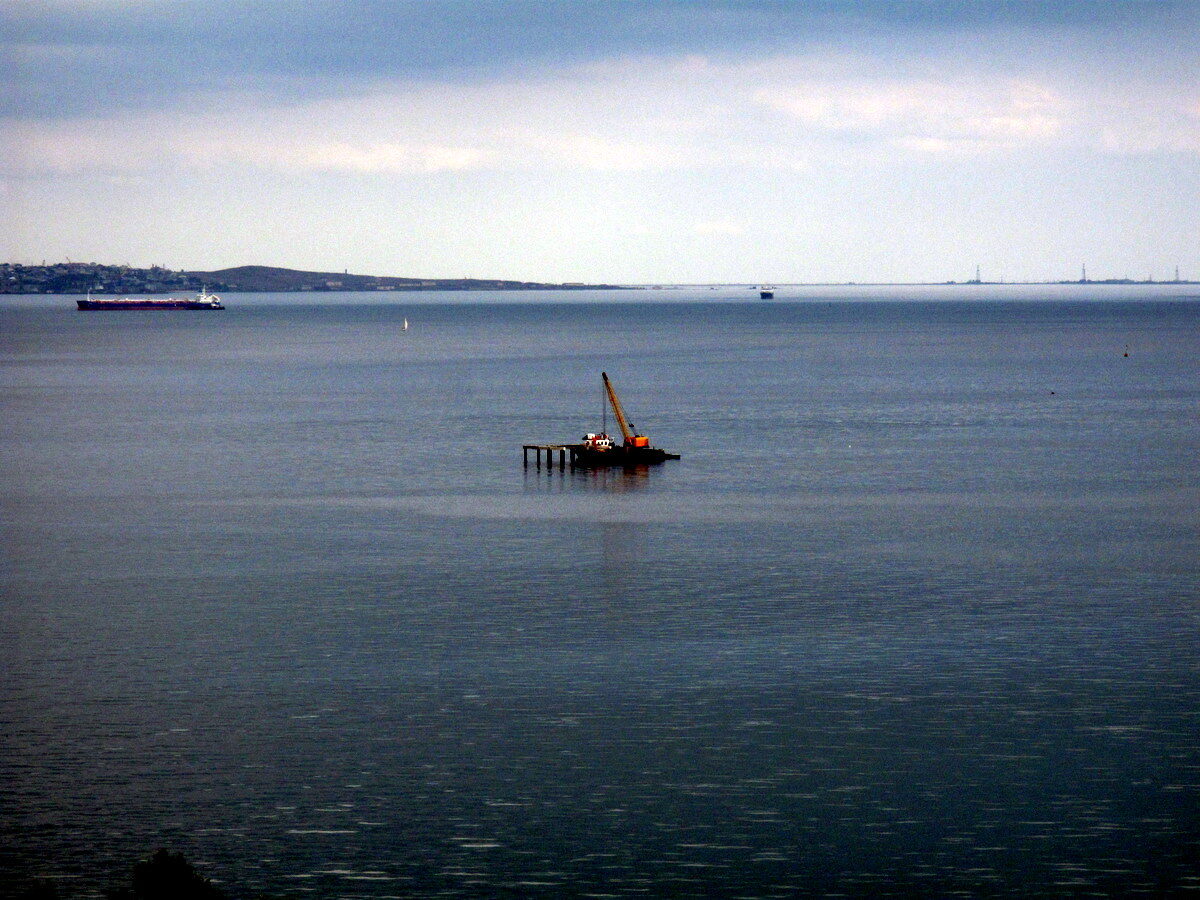
Trinidad's problem is geology and geography at once. Its own shallow-water gas is depleting, and the fields it needs sit on the wrong side of a maritime border. The Dragon field lies roughly 15 kilometers off Trinidad's coast, but in Venezuelan waters. It holds an estimated four trillion cubic feet of gas. The smaller Manakin-Cocuina field, straddling the boundary line, adds roughly another trillion cubic feet.
To touch any of it, Trinidad had to do two things that US sanctions on Caracas normally forbid: strike a commercial deal with the Venezuelan state and pay money into it. Port of Spain and Caracas signed a joint gas agreement on September 21, 2023. OFAC then issued a two-year license for Dragon dated October 17, 2023, with Shell as the lead developer, and a separate license dated May 31, 2024 for BP and NGC to work Manakin-Cocuina. The plan was to pipe Venezuelan gas to existing Trinidad infrastructure, with Shell routing Dragon volumes through its Hibiscus platform offshore Trinidad, feeding the island's LNG trains and petrochemical plants that have been running short of feedstock.
First gas from Dragon had been penciled in for 2026. That date now has no license behind it.
Why Washington pulled the plug
The revocation was not aimed at Trinidad. It was aimed at Venezuela, and Trinidad was standing next to the target. Since taking office in January, the Trump administration has moved to close the sanctions carve-outs the previous administration had opened for Nicolas Maduro's government. Chevron's authorization to lift and export Venezuelan crude was revoked in the same stretch, with a short deadline to wind down. The European majors' crude licenses went the same way. The Dragon and Manakin-Cocuina gas licenses were part of that reversal.
The logic is straightforward, if painful for a bystander. Any of these deals moves hard currency toward Caracas. Trinidad had already agreed to pay Venezuela more than US$1 million a year in royalties, a commission, surface tax and social contributions before a single molecule crossed the border. To the current administration, a friendly Caribbean government does not change the calculation that the money ends up funding a government Washington wants isolated.
The hit to Trinidad
For Trinidad, this is not an abstraction. Natural gas is the spine of the economy. It feeds two LNG export streams, ammonia and methanol plants, and domestic power. Production has been sliding for years, and Dragon was the marquee answer to that decline, the single largest new supply Trinidad had lined up. Its removal reopens the question of how the country keeps its LNG trains and petrochemical complex fed through the back half of the decade.
The TT$85.2 million impairment is the accounting acknowledgment that the asset, as licensed, is gone. Trinidad and Tobago NGL wrote down the value it had assigned to the cross-border projects, and that write-down flipped a profitable half-year into a loss. NGL is a downstream and marketing business rather than the upstream developer, so the charge reflects expected value evaporating rather than sunk drilling costs. Expect Shell and BP, which carried the operating roles, to disclose their own treatment of the pre-development spend they put into surveys and planning, including the geophysical work Shell had scheduled over the Dragon acreage.
Where the deal goes from here
Young said in April he had requested a bilateral meeting with US Secretary of State Marco Rubio and pressed the point that Dragon matters not just to Trinidad but to Caribbean neighbors that rely on Trinidad's refined and petrochemical output. That framing, energy security for a friendly region rather than a lifeline for Caracas, is the argument Port of Spain has to win if it wants the licenses back.
The mechanism that killed the project is also the mechanism that could revive it. These were discretionary OFAC authorizations, granted by one administration and revoked by the next. Nothing about the gas changed. Four trillion cubic feet is still sitting under the seabed 15 kilometers offshore. A future license, or a shift in Washington's posture toward Caracas, could put the plan back on the table as fast as it was taken off. That is the uncomfortable truth for everyone with money in this: the resource is real and the infrastructure exists, but the permission to combine them is a political variable that can move without warning.
For now, Trinidad is back to hunting for gas it can actually produce, Shell and BP are absorbing losses on a project that never left the planning stage, and the Dragon field stays exactly where it has always been, close enough to see and, for the moment, impossible to reach.
Sources
https://jamaica-gleaner.com/article/business/20250820/trinidad-gas-company-takes-big-hit-pulled-dragon-field-licencehttps://www.caribbeannationalweekly.com/news/us-revokes-trinidad-licence-to-develop-venezuelas-dragon-gas-field/https://www.caribbeannationalweekly.com/news/trinidad-reports-tt35-8m-loss-following-us-revocation-of-venezuelan-gas-licences/https://www.offshore-energy.biz/us-axes-shell-and-bps-licenses-for-cross-border-gas-fields/https://oilprice.com/Latest-Energy-News/World-News/Trump-Revokes-Oil-Majors-Gas-Project-Licenses-Offshore-Venezuela.htmlhttps://newsday.co.tt/2025/04/08/dragon-gas-cocuina-licences-revoked/