US Treasury Warns Banks of Sanctions Risk Over China Teapot Refiners Handling Iranian Crude
OFAC's alert tells financial institutions that moving money for Shandong's independent refiners buying Iranian oil, often laundered as Malaysian blend, can pull them into the sanctions net themselves.

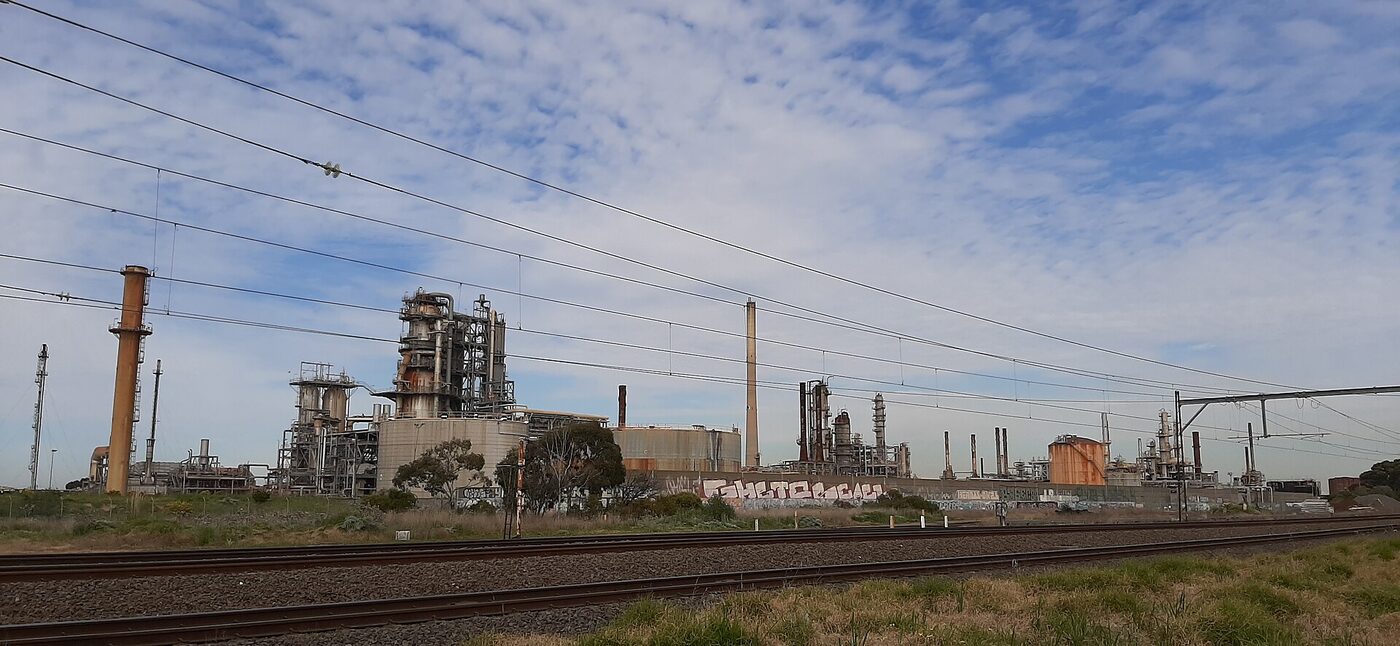
The Treasury Department drew a line this week between the banks and the barrels. On April 28, the Office of Foreign Assets Control issued an alert warning financial institutions that handling payments for China's independent "teapot" refineries buying Iranian crude can expose the banks themselves to U.S. sanctions. The message was blunt: the risk no longer stops at the refinery gate in Shandong. It follows the money back to whoever cleared it.
OFAC has spent more than a year designating the refiners. What changed is the audience. This alert is aimed squarely at the correspondent banks, trade-finance desks, and payment intermediaries that keep the Iran-to-China oil trade liquid. Facilitate a transaction for a designated teapot, OFAC says, and you can be designated too.
What OFAC actually said
The alert singles out independent refineries in Shandong Province for their continued role importing and refining Iranian crude through 2026. These are the teapots: small-to-midsize plants, privately run, that sit outside China's state-owned majors and have become the buyers of last resort for barrels Western firms will not touch. China takes roughly 90 percent of Iran's oil exports, and the teapots absorb the bulk of it.
Treasury's instruction to banks is specific. Avoid facilitating transactions tied to designated refiners. Run enhanced due diligence on Chinese oil importers, with particular attention to Shandong. Treat cargoes and counterparties in that trade as high-risk until proven otherwise. The phrase that matters for compliance officers is "secondary sanctions": a non-U.S. bank does not need to touch a dollar or a U.S. person to get caught. Servicing a sanctioned refiner is enough to put it on the list.
The Malaysian blend problem
The alert leans hard on the trick that has kept this trade moving: disguising origin. Iranian crude is routinely relabeled with forged documents, and the most common cover story is "Malaysian blend." On paper, the oil looks like it came from Malaysia. In reality it was loaded off Iran, moved through ship-to-ship transfers on the shadow fleet, and papered over before it reached a Chinese port.
The numbers give the game away. Malaysia's reported crude exports to China have for years run well beyond what Malaysia can physically produce. That gap is Iranian oil wearing a Malaysian jacket. For a bank, the takeaway is that a clean-looking bill of lading is not clean. If the paperwork says Malaysian blend and the buyer is a Shandong teapot, the origin claim deserves scrutiny, not a rubber stamp.
A clean-looking bill of lading citing "Malaysian blend" and a Shandong teapot buyer is now, in OFAC's framing, a red flag rather than a reassurance.
The refiners already on the list
This alert did not come out of nowhere. Since March 2025, under the administration's renewed "maximum pressure" campaign, OFAC has designated a string of Chinese teapot refiners for buying Iranian oil. Named among them:
- Shandong Shouguang Luqing Petrochemical Co.
- Shandong Shengxing Chemical Co.
- Hebei Xinhai Chemical Group
- Shandong Jincheng Petrochemical Group
- Hengli Petrochemical's Dalian refinery
Hengli's Dalian plant is the biggest name on that list, and Treasury said it had purchased billions of dollars' worth of Iranian petroleum. Hengli pushed back, saying it had never engaged in any trade with Iran. That denial is itself a window into the enforcement problem: the physical oil arrives, the payments clear, and the counterparties insist the cargo was something else. The whole system runs on plausible deniability, and OFAC is now telling banks that deniability is not a defense.
Why the banks are the pressure point
Sanctioning refiners is slow. There are dozens of teapots, they can be renamed, and a designated plant can keep running on cash and workarounds. Banks are different. A refinery needs financing, letters of credit, and a way to settle with sellers and shippers. Choke the payment rails and you do more damage than blacklisting one more plant in Shandong.
That is the logic here. By putting financial institutions on notice, Treasury is trying to make the compliance cost of the Iran trade higher than the margin. A bank weighing whether to clear a teapot's oil payment now has to price in the chance of losing access to the U.S. financial system. For most institutions with any dollar exposure, that is not a close call.
What it changes, and what it doesn't
The honest read is that this raises friction without closing the trade. Iranian crude has kept flowing to China through every prior round of sanctions, and the shadow fleet plus the Malaysian-blend cover has proven durable. Chinese teapots have shown they will accept designation as a cost of doing business, and payments increasingly route around Western banks in yuan and through smaller intermediaries that have little U.S. exposure to lose.
Still, the alert matters. It narrows the pool of banks willing to touch the trade, pushes more of it into slower and costlier channels, and hands compliance teams a documented warning they cannot claim they never saw. For the refiners, it means tighter financing and worse terms. For the traders papering cargoes as Malaysian, it means the cover story now carries real legal weight for anyone downstream who relies on it.
OFAC's move is a bet that money is easier to squeeze than oil. The barrels will keep moving. The question the Treasury is forcing is who, exactly, is still willing to pay for them.
Sources
https://www.cnbc.com/2026/04/29/us-treasury-warns-sanctions-china-refineries-iran-oil-malaysian-blend.htmlhttps://home.treasury.gov/news/press-releases/sb0476https://ofac.treasury.gov/media/935546/download?inline=https://www.gtreview.com/news/global/us-fires-sanctions-warning-over-chinese-teapot-refineries/https://www.turkiyetoday.com/world/us-treasury-sanctions-target-chinese-refineries-in-expanded-iran-oil-crackdown-3219013https://miningawareness.wordpress.com/2026/05/11/us-ofac-warning-to-financial-institutions-re-sanctions-risks-of-dealing-with-chinas-teapot-refineries-importing-and-refining-iranian-oil/