Pemex Fuel Imports From the US Fall to Lowest Since 2008 as Domestic Refining Climbs
Mexico bought less American gasoline and diesel in 2025 than in any year since the last recession, as Pemex pushed its refineries harder and shrank the flow of fuel north from the US Gulf Coast.

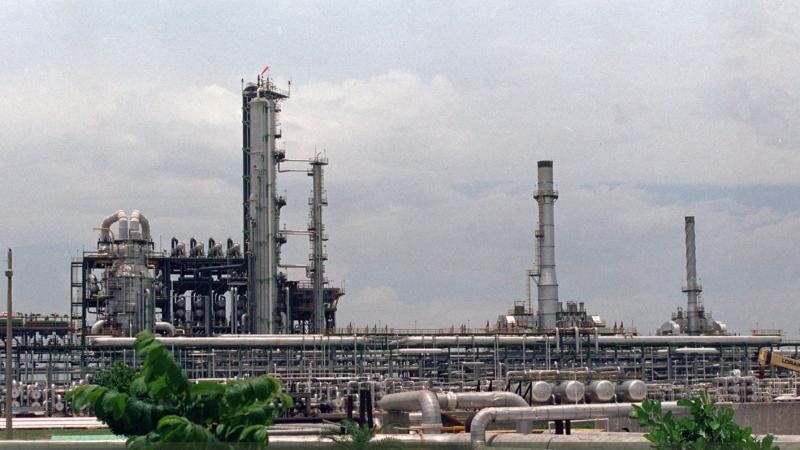
Mexico's purchases of US gasoline and diesel dropped in 2025 to their lowest level since 2008, a shift that is already draining volume out of Gulf Coast refineries and rewriting a fuel-trade relationship that has run north-to-south for most of two decades. The cause is not weak Mexican demand. It is Pemex, finally running its refineries near the rates it has promised for years, led by the new Olmeca plant on the Gulf of Mexico.
The numbers tell a clean story. Pemex's own combined gasoline and diesel output averaged about 552,000 barrels per day over the first ten months of 2025, up roughly 5 percent from 473,000 b/d a year earlier. As that homegrown supply climbed, imports fell. Average fuel imports dropped to about 414,000 b/d, down 22 percent from 534,000 b/d. Diesel imports took the hardest hit, sliding 42 percent to roughly 83,000 b/d from 143,000 b/d.
What the US export data shows
The pullback shows up plainly in US Energy Information Administration figures. Total US distillate exports to Mexico came in around 80.15 million barrels for 2025, down more than 18 percent from 98.21 million barrels in 2024. Gulf Coast refiners, grouped as PADD 3, sent Mexico roughly 10 million fewer barrels of distillate than the year before, a 13 percent drop. On the West Coast, PADD 5 distillate exports to Mexico fell to about 10.9 million barrels in 2025 from 18.6 million a year earlier, a drop of roughly 41 percent.
Put those declines together and the trend line lands where market watchers say it does: the smallest annual take of US road fuel by Mexico since the 2008 downturn. Some measures put gasoline flows at their weakest since 2009. Either way, the direction is not in dispute. Mexico is buying less of what US refiners have long counted on selling.
That matters to the Gulf Coast because Mexico has been its single most reliable export customer. Refiners from Texas to Louisiana built throughput and product slates around steady southbound demand. When that demand softens, barrels have to find a home somewhere else, usually at a discount, or the crude runs behind them come down.
Olmeca finally earns its keep
The plant doing most of the work is Olmeca, also called Dos Bocas, on the coast of Tabasco. After nearly four years of delays, cost overruns and stop-start operation, it ran at 77.5 percent of its 340,000 b/d nameplate capacity in December 2025, its best month since startup. By October the refinery was making about 70,000 b/d of gasoline and 81,000 b/d of diesel. By December it was processing more than 260,000 b/d of heavy crude.
Olmeca is not carrying the load alone. Pemex's six older refineries, some of them a century old, pushed their combined runs to about 1.22 million b/d by the end of 2025, described as the highest utilization in over a decade. Tula, Salina Cruz, Minatitlan, Madero, Cadereyta and Salamanca have long been the weak link in the chain, plagued by fires, breakdowns and low reliability. Getting them to run harder, even for a stretch, is the difference between a policy slogan and actual barrels.
Sovereignty over dollars
None of this happened by accident. The refining push is the core of an energy policy that began under Andres Manuel Lopez Obrador and continues under President Claudia Sheinbaum. The bet is that Mexico is better off refining its own crude at home than shipping it to US Gulf Coast plants and buying back the finished gasoline and diesel. Under the Energy Sovereignty 2030 roadmap, the government has capped crude production at 1.8 million b/d and steered more of that oil into domestic refineries rather than the export market.
The tradeoff is expensive. Pemex sells its heavy Maya crude abroad for hard currency; refining it at home means giving up those dollars in exchange for lower fuel imports. For a company carrying one of the largest debt loads of any oil major on earth, that is a real cost, not an accounting footnote. Officials have decided energy self-sufficiency is worth it.
The other side of the ledger
Here is the part that complicates the sovereignty win. While fuel imports fell, crude exports fell much faster. Pemex crude exports collapsed to about 368,000 b/d in December 2025, the lowest monthly volume since January 1990 and down 54 percent from a year earlier. US imports of Mexican crude dropped to roughly 224,500 b/d in December, a 22 percent monthly decline.
The gap between the two trends produced a milestone Mexico has not seen in a generation. In the first five months of 2026, Pemex imported about 507,000 b/d of refined fuels while exporting only about 432,000 b/d of crude. Measured in dollars, the company spent roughly 1.6 billion a month on fuel imports against about 1.09 billion in crude export revenue. For the first time in some 36 years, Pemex is paying out more for the fuel it brings in than it earns on the crude it ships out.
Refining more at home was supposed to close that gap. It has narrowed the import side, but the sharper drop in crude sales opened a wider hole on the revenue side. Mexico pumped nearly 3.4 million b/d two decades ago. Today the export machine that once made it a major global supplier has been throttled back on purpose, and the refineries are not yet efficient or large enough to make the math work in Pemex's favor.
What it means for US refiners in 2026
For Gulf Coast operators, the near-term read is straightforward. Argus and other analysts expect Pemex to cut road-fuel imports further in 2026 as Olmeca and the legacy plants hold higher run rates. That points to continued erosion in the most dependable export outlet US refiners have. The offset is that Mexico is also sending less crude north, which tightens supply of the heavy grades Gulf refiners are built to process. In other words, US plants may lose a fuel customer and a crude supplier at the same time.
The bigger question is durability. Mexico's refineries have surged before and then stumbled on fires, outages and maintenance backlogs. Whether the 2025 run rates hold through 2026 will decide if this is a structural break in North American fuel trade or another temporary spike. For now, the barrels are real, the imports are down, and US refiners are watching a customer they long took for granted buy less each month.
Sources
https://www.argusmedia.com/en/news-and-insights/latest-market-news/2771052-viewpoint-pemex-fuel-imports-likely-lower-in-2026https://www.bnamericas.com/en/features/pemex-refining-gains-cut-us-fuel-exports-to-mexicohttps://markets.financialcontent.com/stocks/article/marketminute-2026-1-28-mexicos-oil-paradox-pemex-exports-hit-35-year-low-as-domestic-sovereignty-takes-precedencehttps://www.argusmedia.com/en/news-and-insights/latest-market-news/2781218-pemex-s-dec-crude-exports-hit-35-year-lowhttps://www.pemex.com/en/press_room/press_releases/Paginas/2026-51_national.aspxhttps://mexiconewsdaily.com/business/pemex-is-importing-more-than-it-exports-first-time-36-years/