Iran Swaps and China Sales Keep PDVSA Barrels Moving Despite Sanctions Squeeze
September tanker data shows Venezuela leaning harder on discounted Chinese buyers and crude-for-condensate barter with Iran to keep oil flowing under Washington's pressure.

Venezuela shipped an average of 710,033 barrels a day of crude and fuel in September, and almost none of it moved the way a normal oil trade moves. Forty cargoes left Venezuelan waters, most of them bound for China through regional middlemen, while a rotation of Iranian tankers hauled condensate in and heavy crude out under a barter deal that keeps both countries clear of the dollar and, they hope, out of reach of U.S. Treasury. That was enough to make September the third-strongest export month of the year for state oil company PDVSA, according to internal shipping documents and Refinitiv Eikon vessel-tracking data reviewed by Reuters reporters Marianna Parraga and Mircely Guanipa.
The headline number was down 13% from August's record of 816,450 bpd. But it was 75% higher than the same month a year earlier, and the mix behind it tells you how a sanctioned producer stays in business. Barrels are still leaving. What has changed is who touches them, how they are priced, and how far the paperwork bends to hide the origin.
The intermediaries do the heavy lifting
Roughly 79% of September's exports were arranged by intermediaries, the shippers and traders who line up vessels, payment and end buyers so PDVSA never has to deal with a Chinese refiner directly. Many of these firms have no history in crude trading. They surfaced after the majors and established houses walked away from Venezuelan oil in 2019, when Washington sanctioned PDVSA and made handling its barrels a legal and reputational hazard.
That structure has a cost. Venezuelan crude reaches Chinese independent refiners, the so-called teapots in Shandong, at a steep discount to Brent, often relabeled as Malaysian or other origin crude by the time it discharges. The discount and the relabeling are the price of moving oil that no bank wants to finance and no insurer wants to cover. It is not efficient. It is not transparent. It works well enough to keep cash coming into Caracas.
How the Iran swap actually runs
The Iran arrangement is the more interesting half of the story, because it fixes a physical problem money alone cannot solve. PDVSA's extra-heavy Orinoco crude is close to tar. It has to be cut with light hydrocarbons before it can flow through a pipeline or a refinery, and Venezuela's own supply of that diluent collapsed along with its refining sector. Iran has condensate to spare and its own reasons to sidestep sanctions.
So the two barter. In September, Iranian-chartered very large crude carriers delivered about 3.9 million barrels of crude and 2 million barrels of condensate into Venezuela. In return, PDVSA sent back roughly 1.78 million barrels of heavy crude and 928,000 barrels of fuel oil. Over the year to that point, Venezuela had taken in more than 24 million barrels from Iran and shipped out about 21 million under the swap framework the two expanded in 2021. The condensate is the key input. It lets PDVSA blend and upgrade Orinoco crude into something exportable, which is why third-quarter output and shipments steadied after a weak stretch.
No dollars change hands, no Western bank clears the payment, and the crude that comes back out of Venezuela can be routed onward to China. It is sanctions arbitrage built on chemistry.
China takes the volume, Cuba gets squeezed
China, directly or through hubs, remains the destination for the overwhelming share of what Venezuela sells. The regional-hub routing, cargoes that touch Malaysian or other waters and pick up new documentation, is now standard practice rather than an occasional dodge. It is how discounted Venezuelan crude keeps reaching Chinese teapots without either side leaving an obvious trail.
Cuba, Venezuela's long-standing ally and subsidized customer, felt the squeeze. Shipments to the island fell to about 36,000 bpd in September from 81,200 bpd in August. When export capacity tightens, the barrels that earn hard currency in Asia win out over the ones that go to Havana on political credit. Caracas can talk about solidarity, but the tanker schedule shows where the priority sits when volumes drop.
Why the numbers wobble month to month
The 13% slide from August's record is a reminder that these flows are fragile. PDVSA runs an aging, cannibalized system: worn upgraders, unreliable ports, a shortage of the very diluent the Iran deal is meant to supply, and a fleet of intermediaries whose reliability varies with the price of getting caught. A few delayed cargoes or a maintenance problem at a blending terminal can swing the monthly average by tens of thousands of barrels. Records get set, then given back, then approached again.
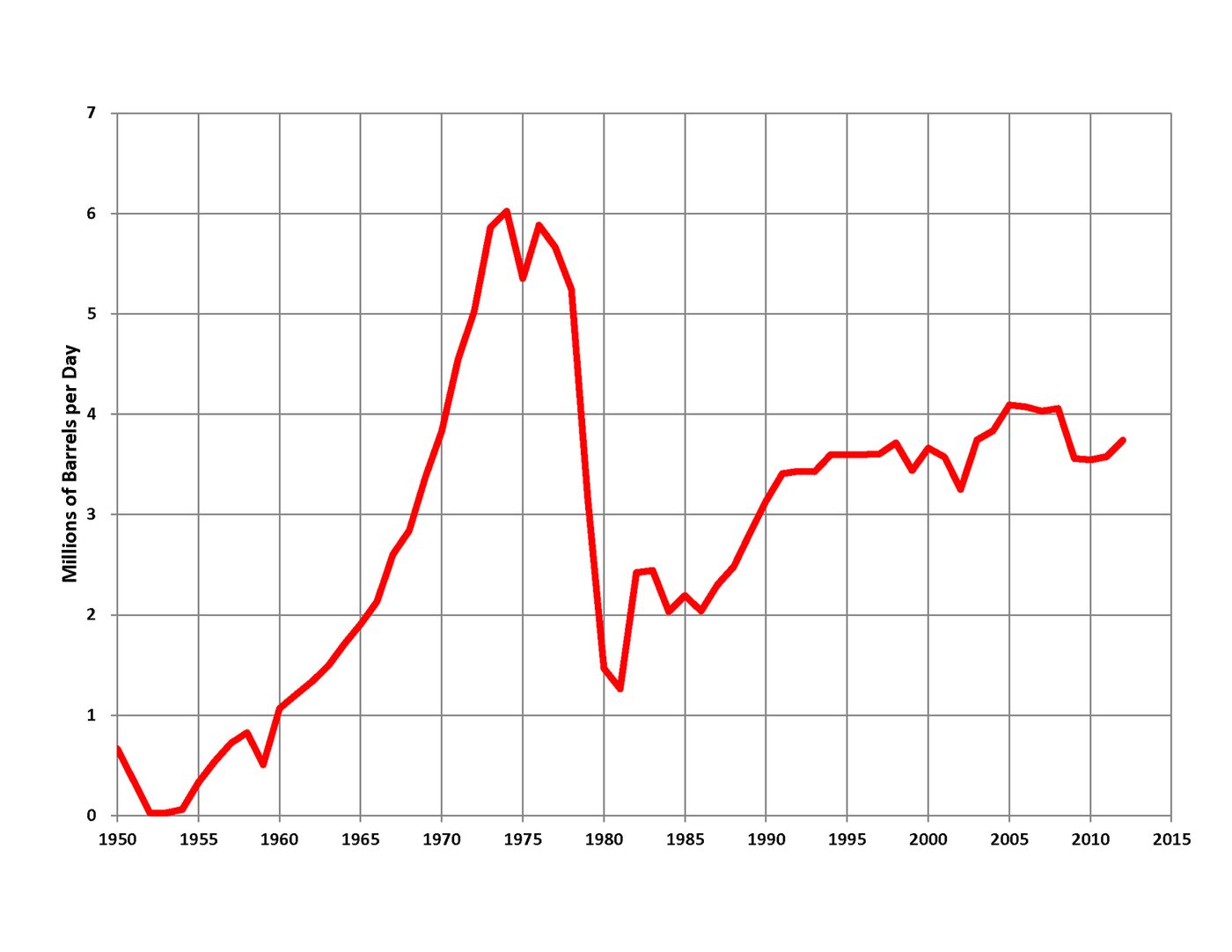
The larger point is direction, not the single month. Exports running around 700,000 bpd, with output steadied by Iranian condensate, put Venezuela well above its sanctions-era lows. It remains far below the roughly 2.4 million bpd the country pumped before the 2019 sanctions and the collapse that preceded them. This is survival volume, not recovery volume.
What Washington can and cannot do
The September data lands while the U.S. weighs whether to loosen its grip. Chevron has been pressing for a license to resume limited operations in Venezuela, an authorization that would put some Venezuelan crude back into legal, transparent, dollar-priced channels bound for the U.S. Gulf. Nothing had been granted as of the September tally, and the pressure campaign remained the official policy.
But the export figures make the strategic bind plain. Maximum pressure has not stopped the barrels. It has pushed them into a gray market of shell intermediaries, relabeled cargoes and barter with Tehran, arrangements that are harder to see, harder to sanction one by one, and that deepen the Caracas-Tehran relationship Washington least wants to strengthen. Every month PDVSA clears 700,000 bpd through that machinery is a month the machinery gets more entrenched and more practiced. Sanctions changed the plumbing of Venezuela's oil trade. They did not turn off the tap.
Sources
https://investing.com/news/commodities-news/venezuelas-oil-exports-in-sept-boosted-by-sales-to-china-swaps-with-iran-2905067https://finance.yahoo.com/news/venezuelas-oil-exports-stable-buyers-100340314.htmlhttps://gcaptain.com/iranian-condensate-cargo-expected-to-discharge-in-venezuela/https://venezuelanalysis.com/news/venezuela-oil-industry-registers-growing-output-increased-exports/https://x.com/mariannaparraga/status/1963644800948957674