How Oil Sanctions Actually Work: Price Caps, Shadow Fleets, and Enforcement Gaps
The West built its oil sanctions to squeeze revenue without choking supply, and the seams in that design are exactly why sanctioned barrels keep reaching buyers at a discount.

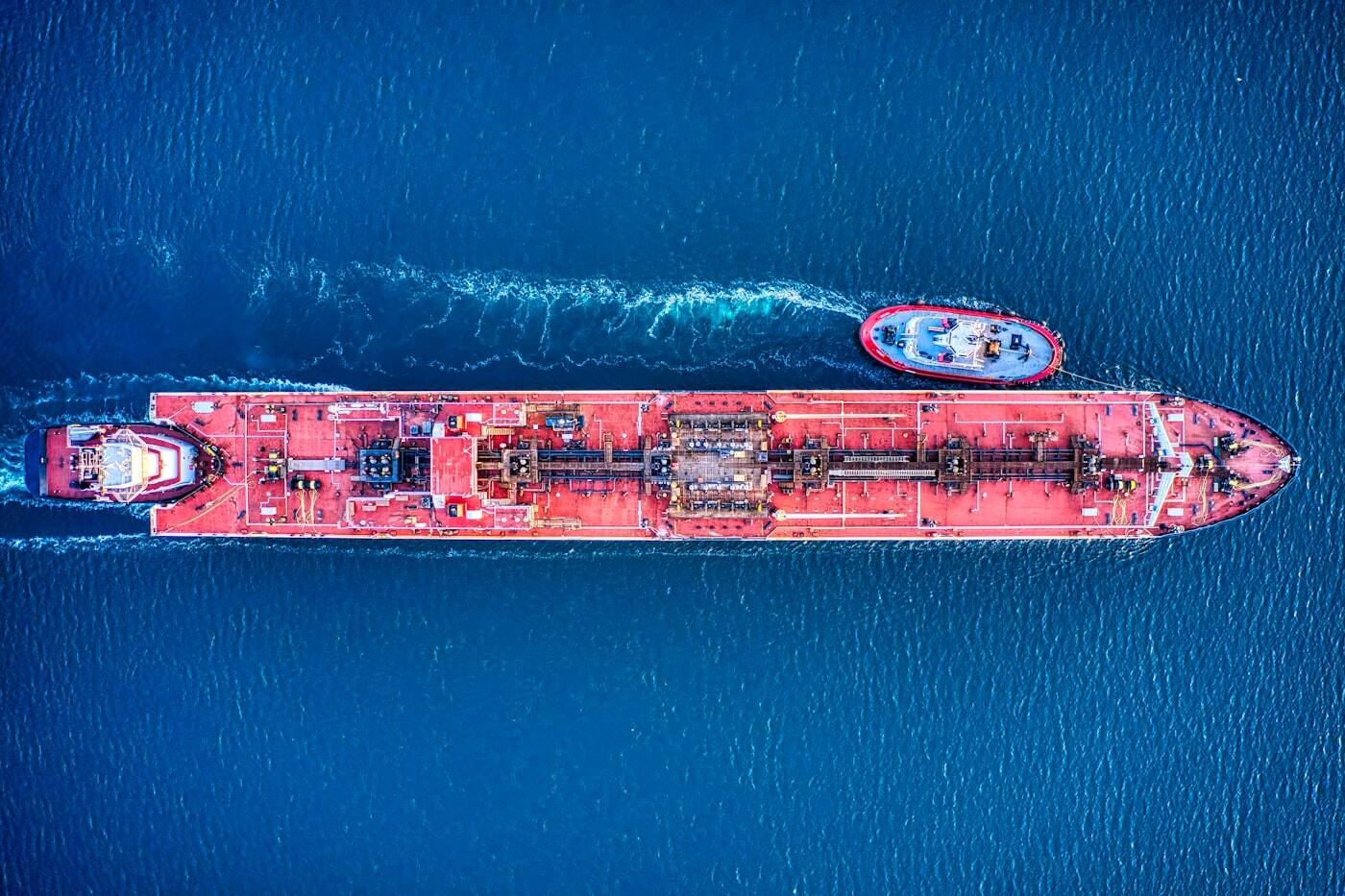
At Russia's Pacific export terminal of Kozmino in early 2023, roughly half the crude leaving the dock rode on tankers owned or insured by G7 or EU companies. On paper, every barrel was supposed to be selling below the coalition's $60 ceiling. In reality, 96 percent of the cargoes for which price data existed moved above the cap, at an average north of $70 a barrel. Western ships, Western insurers, and a price limit openly ignored on the same voyage. That single port tells you most of what you need to know about how modern oil sanctions function and why physical barrels keep flowing.
Sanctions on oil are not a wall. They are a toll booth built out of paperwork, insurance contracts, and the choke points where a barrel touches a Western institution. Understanding where those seams open explains why Iranian and Russian crude still reaches refineries in Shandong and Jamnagar every week.
The price cap runs on insurance, not blockades
The G7 and EU chose a deliberately indirect tool. Rather than banning Russian oil outright and spiking global prices, the Price Cap Coalition attacked the services around the oil. Firms based in coalition countries are forbidden from financing, transporting, or insuring Russian seaborne crude unless it sells at or below a set per-barrel price. The original threshold was $60. In its 18th sanctions package in July 2025, the EU cut the crude cap to $47.60 and added an automatic mechanism to keep it floating below market.
The logic is that London and its European neighbors dominate marine insurance. The International Group of P&I Clubs underwrites the protection-and-indemnity cover that most large tankers carry, and much of that capacity sits inside the coalition. Deny that cover above the cap and, in theory, you force the price down while the oil keeps moving. Keep supply flowing, strip out the revenue. That was the whole design.
Where the seams open
The enforcement point is a signed attestation. A buyer or trader gives the Western shipowner and insurer a document swearing the cargo priced under the cap. The service provider relies on that attestation. It almost never sees the underlying contract. So the loophole is obvious once you say it out loud: falsify the record. Bruegel's analysis of the mechanism found violations came straight from falsified compliance paperwork, misreported prices, and transfer-pricing tricks that bury the real number in inflated shipping and insurance fees layered on top of a nominally compliant barrel.
The structural defects run deeper than lying on a form. There is no requirement for banks to report price-cap transactions or flag suspicious ones. Insurers and shippers are not required to retain full records. Commercial penalties for participants are thin, and the sanctions do not reach every third-country financial institution greasing the trade. You have a rule with no audit trail, enforced by the very intermediaries who profit from looking away.
The shadow fleet cuts the West out entirely
The cleaner workaround is to stop touching Western services at all. That is the shadow fleet: aging tankers, often two or three decades old, registered under flags of convenience, insured by opaque outfits outside the coalition, and frequently changing names and owners. By mid-2024, EU research estimated these vessels handled more than 80 percent of Russian seaborne crude leaving Baltic and Black Sea ports. Once a cargo never rides a coalition ship or a coalition insurance policy, the cap simply does not apply. There is no attestation to falsify because no covered service provider is in the loop.
Estimates put the global shadow fleet near 1,900 vessels. In 2025, tracking groups counted hundreds of tankers carrying sanctioned Russian crude and a separate fleet moving Iranian oil, a large share of them individually sanctioned yet still trading. The fleet is the load-bearing structure of the entire evasion economy. Sanction the insurance and the ships route around it.
Going dark: transfers and spoofed transponders
Two tricks make the shadow fleet's cargoes hard to trace. The first is the ship-to-ship transfer, where a sanctioned tanker offloads to another vessel at sea so the crude's origin gets laundered before it reaches port. The Gulf of Oman has become a favored hub for exactly this, moving Russian and Iranian barrels between sanctioned and ostensibly clean tankers offshore. Covert transfers hit record levels through 2025, averaging well over 200 a month.
The second is manipulating the Automatic Identification System, the transponder every large ship is supposed to broadcast. Operators switch it off for long stretches, or worse, spoof it, feeding fake coordinates that place a tanker in one sea while it actually loads in another. AIS spoofing incidents climbed into the hundreds per month in 2025. When investigators reconstruct these voyages, the pattern is consistent: dark ship-to-ship transfers on the great majority of vessels, prolonged transponder blackouts, and falsified positions. A tanker that vanishes off Kaliningrad and reappears near Fujairah with a full load did not teleport.
The barrels still move, at a price
None of this evasion is free. Older ships, murkier insurance, longer voyages, and the compliance risk shouldered by any buyer all get priced in as a discount to the benchmark grade. That discount is the real scoreboard of how well sanctions bite.
The numbers moved a lot through 2025. Iranian crude discounts widened from around $0.50 to $1 below Brent in early spring to roughly $8 to $10 below Brent by December, with Iranian Light offered near $8 to $9 under Brent late in the year against about $4 in August. Russian Urals traded around $12 below Brent by early 2026, up from roughly $10 in January. China's independent Shandong refiners, the teapots, remain the clearing house. They buy discounted sanctioned crude because their limited export exposure lets them stomach compliance risk that the majors will not. When teapot demand softened, those discounts widened further, which is the market pricing in exactly how few buyers a sanctioned barrel has.
What the design actually achieves
Read together, the tools tell a coherent story. The price cap was never meant to halt exports. It was meant to keep the oil flowing while shaving the revenue, and on that narrow measure it works imperfectly: the discount is real, and every dollar off Brent is a dollar out of the seller's treasury. But the mechanism's reliance on self-reported attestations, its thin audit trail, and the escape hatch of a non-Western shadow fleet mean the barrels themselves rarely stop. Enforcement has shifted toward the ships, with tanker designations, port-state inspections, and vessel seizures aimed at raising the cost of going dark.
That is the honest bottom line. Oil sanctions are a revenue tax collected through friction, not an embargo. They make sanctioned crude cheaper, slower, and riskier to move. They do not make it disappear, and anyone selling you the idea that a price cap can turn off a producer's exports has not looked at where those exports actually go.
Sources
https://www.bruegel.org/analysis/oil-price-cap-and-embargo-russia-work-imperfectly-and-defects-must-be-fixedhttps://www.chathamhouse.org/2025/09/tightening-oil-price-cap-increase-pressure-russia/introductionhttps://mei.edu/policymemo/how-iran-china-and-russia-use-the-shadow-fleet-to-evade-us-sanctions/https://oilprice.com/Latest-Energy-News/World-News/Iranian-Russian-Crude-Premiums-Slide-as-China-Pulls-Back-on-Imports.htmlhttps://www.cnbc.com/2026/02/03/russian-oil-sanctions-trump-us-india-trade-deal.htmlhttps://finance.ec.europa.eu/publications/price-cap-coalition-statements-and-guidance_en