Guyana's Ali Wins Re-Election as Essequibo Dispute With Caracas Boils Over
Irfaan Ali and the PPP/C took a second term on the strength of an ExxonMobil oil boom, hours after gunfire from the Venezuelan side of the border hit a boat carrying ballot boxes.

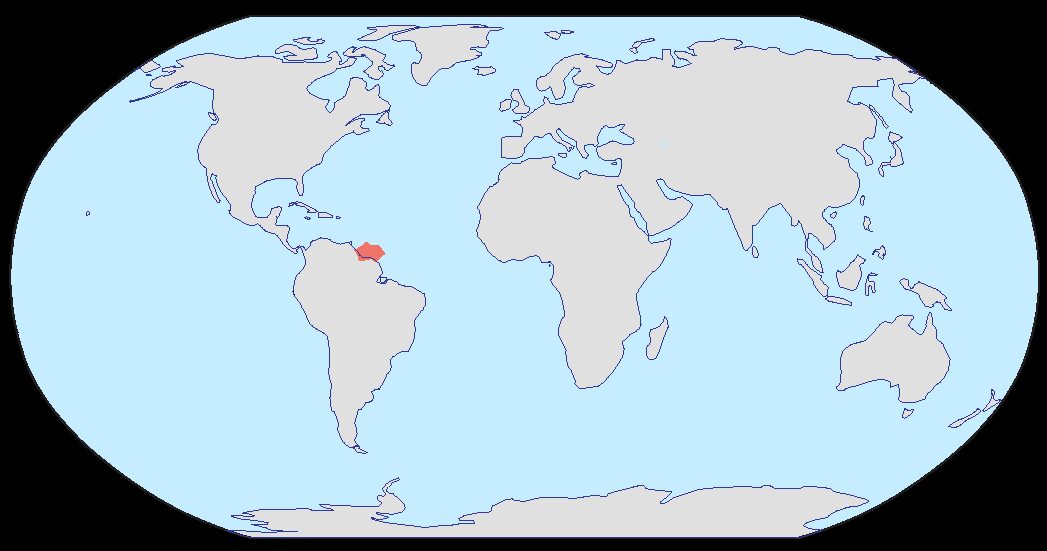
Guyanese President Irfaan Ali won a second term on September 1, with his People's Progressive Party/Civic taking 36 of the 65 seats in the National Assembly and roughly 55 percent of the vote. The Guyana Elections Commission declared the result on September 7 and Ali was sworn in the same day. What should have been a routine re-election for the leader of the fastest-growing economy on earth instead unfolded under gunfire: on the eve of the vote, as ballot boxes were being moved into position, armed men firing from the Venezuelan side of the Upper Cuyuni River shot at a boat carrying ballot boxes and nine election officials to remote polling stations in Region 7. The escort, made up of soldiers and police, returned fire and got everyone out. No one was hurt and no ballots were lost. But the message from across the river was hard to miss.
Ali now governs a country of about 800,000 people that is pumping oil faster than almost anyone predicted a decade ago, while a much larger neighbor claims two-thirds of its territory and is willing to shoot near its election workers to make the point.
The vote itself
Turnout was 58.41 percent. The PPP/C picked up three seats over its 2020 result, a modest gain that nonetheless gave Ali a clear governing majority. The bigger story on the ballot was the collapse of the old opposition order. A Partnership for National Unity, the PPP/C's longtime rival, splintered and fell to 12 seats. Into that gap stepped WIN, or We Invest in Nationhood, a new party led by gold magnate Azruddin Mohamed, which took 16 seats to become the main opposition. The Forward Guyana Movement won one.
Mohamed is a controversial figure, sanctioned by the United States over gold-smuggling and tax-evasion allegations, and his rise says something about the mood of an electorate flush with oil money but uneven about who is feeling it. Ali ran on the boom and won on it. The opposition ran on the argument that the boom has not reached ordinary Guyanese fast enough.
Oil is the whole argument
The numbers behind Ali's campaign are genuinely without precedent. ExxonMobil's Stabroek Block, offshore Guyana, has been the industry's biggest run of discoveries in years. Production averaged about 616,000 barrels per day in 2024 and is climbing toward roughly 940,000 later in 2025 as a fourth floating production vessel, One Guyana, comes online. Georgetown is targeting a million barrels a day by 2030. Guyana already holds the largest oil reserves per capita in the world.
That has rewired the state's finances. The national budget has quadrupled in five years to about 6.6 billion dollars for 2025. The economy grew 43.6 percent in 2024, a figure no other country came close to. Money on that scale changes an election. It also changes the calculation for a bankrupt, sanctioned government next door.
Why Caracas keeps pushing
Venezuela has claimed the Essequibo for well over a century, but the claim went from paper grievance to live pressure once Exxon started finding oil there. The region covers about 160,000 square kilometers, two-thirds of Guyana's land mass, and is home to roughly 125,000 people. Guyana has administered it for more than 100 years.
President Nicolas Maduro has escalated in steps. In December 2023, he staged a referendum in which voters overwhelmingly backed annexing the territory and rejected the jurisdiction of the International Court of Justice, where Guyana has taken the border case. In May 2025, Caracas went further. On May 1, the ICJ ordered Venezuela to refrain from holding elections in the disputed zone. Venezuela ignored the order. On May 25 it ran a vote and declared Neil Villamizar, a serving navy admiral, "governor" of Essequibo with about 97 percent support. There were no polling stations inside Essequibo itself; the ballots were cast in a district of about 21,400 voters that Caracas carved out inside its own Bolivar state.
The provocations are not only political. On March 1, a Venezuelan warship entered Guyana's exclusive economic zone and approached the Liza Destiny production vessel, operated by the Exxon-led consortium, demanding information from the crew. The ship was roughly 200 kilometers inside waters that are not disputed by anyone, then broadcast live-fire drills on social media afterward. That was the first time Caracas menaced active production infrastructure rather than just exploration boats. The Cuyuni shooting on the eve of the vote fits the same pattern of pressure timed for maximum effect.
Washington is watching, and so is the market
The dispute is no longer a purely regional matter. The United States has an obvious stake through ExxonMobil and a broader interest in checking Maduro, and it watched this vote closely. So did oil traders, because the Stabroek Block is now a meaningful new source of non-OPEC barrels at exactly the moment Venezuela's own output stagnates under sanctions and mismanagement. Guyana is on track to out-produce the country claiming its territory, an inversion that would have sounded absurd fifteen years ago and helps explain Caracas's urgency.
The legal track runs through The Hague, where the ICJ is weighing the substance of the border. Guyana's strategy is to keep the case there and keep the incidents documented. Venezuela's strategy is to create facts on the ground and off the coast while the court deliberates. Neither the referendum nor the phantom governor changes who controls Essequibo, and both would be hard to convert into anything on the ground without a military move the region would not ignore. But they raise the temperature, and they are meant to.
What Ali's second term inherits
Ali begins his new mandate with the strongest hand any Guyanese leader has ever held and a threat no predecessor has faced at this intensity. He has to turn oil revenue into schools, roads and jobs fast enough to answer the opposition that just installed a sanctioned businessman as the face of dissent. He has to keep Exxon's production ramp on schedule while its vessels sit in waters a foreign navy has already buzzed. And he has to hold the diplomatic line, leaning on the ICJ, on Washington and on regional partners, without giving Maduro a pretext.
The boom is real, the money is real, and so is the man across the river with a warship and a court he refuses to recognize. Ali won the easy part on September 1. The hard part starts now.
Sources
https://www.aljazeera.com/news/2025/9/7/irfaan-ali-reelected-for-second-term-as-oil-rich-guyanas-presidenthttps://en.wikipedia.org/wiki/2025_Guyanese_general_electionhttps://www.csis.org/analysis/what-significance-venezuelas-naval-incursion-guyanahttps://www.aljazeera.com/news/2025/5/26/venezuela-election-results-who-lost-won-and-what-nexthttps://www.france24.com/en/americas/20250902-guyana-votes-in-general-election-amid-oil-boom-venezuela-disputehttps://kaieteurnewsonline.com/2025/09/01/venezuelan-gang-attacks-ballot-escort-in-cuyuni-river/