Dangote Begins Direct Fuel Deliveries To Nigerian Retailers
Africa's largest refinery started trucking petrol and diesel straight to filling stations on August 15, absorbing the freight cost and cutting the middlemen who have controlled Nigeria's downstream fuel trade for decades.

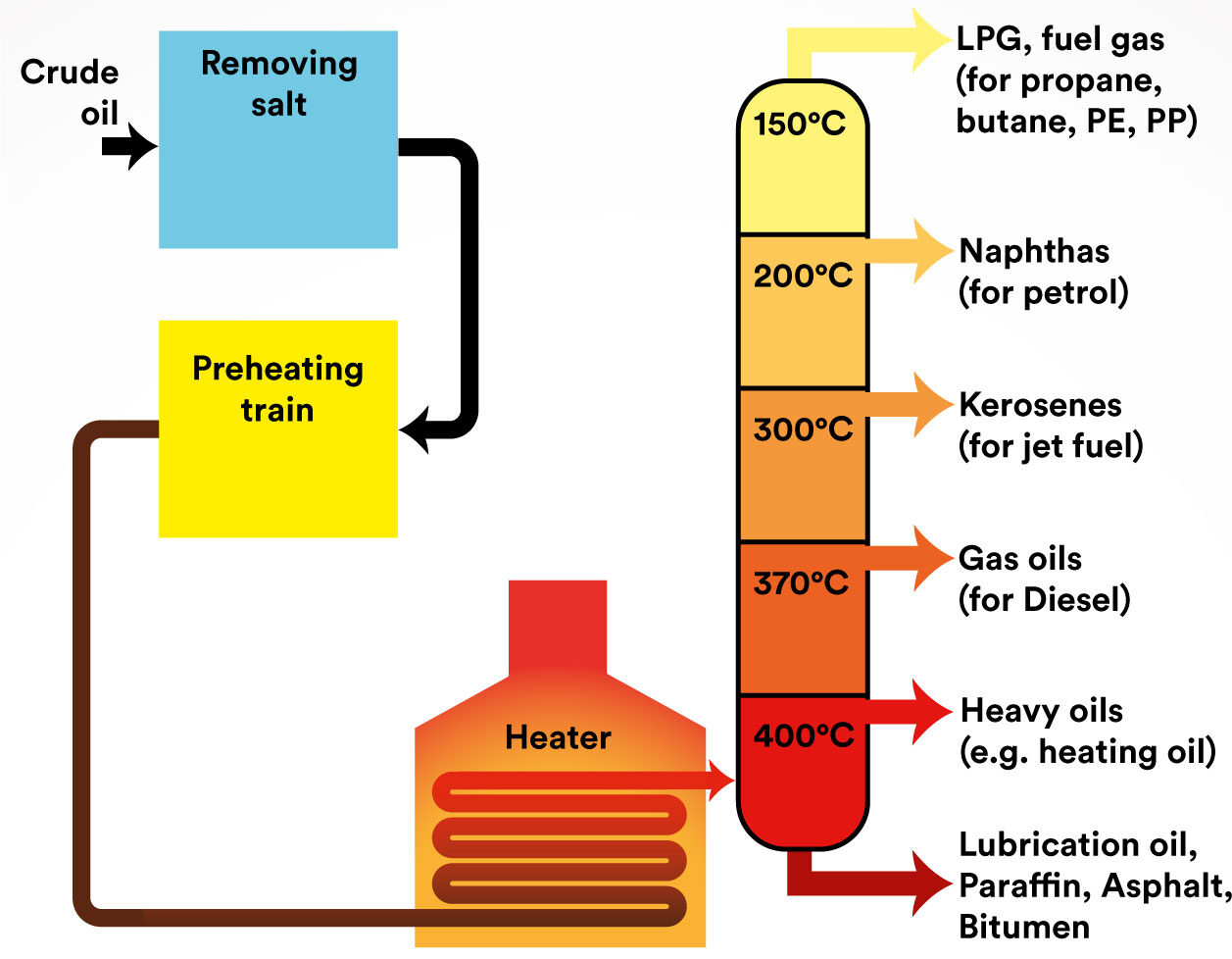
On August 15, Aliko Dangote's 650,000-barrel-a-day refinery in the Lekki Free Trade Zone started sending petrol and diesel directly to filling stations, factories, telecom operators and airlines across Nigeria, and it is eating the delivery cost itself. No depot markup. No haulage bill passed to the retailer. The refinery loads the product onto its own trucks and drops it at the pump. In a market where the cost of moving fuel has long been folded into the price Nigerians pay, that is the whole story.
The plant flagged off the scheme with a fleet of 4,000 new compressed-natural-gas tankers, the first tranche of a logistics program the company puts at roughly 720 billion naira. Dangote's pitch is blunt: by absorbing the freight, the refinery says it can save Nigerians on the order of 1.7 trillion naira a year and steady pump prices that have swung violently since the government scrapped the petrol subsidy in 2023.
"We have been battling fuel queues since 1975, but today Nigerians are seeing real change," Dangote said as the trucks rolled out.
What the refinery is actually doing
Under the plan, marketers and large end users register with the refinery and receive product delivered to their sites at no transport charge. The refinery has said it is targeting Nigeria's daily demand of about 65 million litres, split across roughly 45 million litres of petrol, 15 million litres of diesel and 5 million litres of aviation fuel. By late July, at least 25 marketers had signed on.
The CNG fleet matters for the math. Running tankers on gas rather than diesel lowers the per-litre cost of hauling fuel, and Dangote is banking on that spread to make free delivery pay for itself over time. The company frames the trucks as both a distribution tool and a hedge against diesel's own price swings. It has also talked up job creation from the rollout, with figures cited in the thousands for drivers, depot hands and CNG service crews.
Prices had already moved before the delivery scheme launched. Since the refinery began producing petrol in September 2024, pump prices in parts of the southwest, Abuja and the oil-producing states drifted down from around 1,100 naira a litre toward the mid-800s. Direct delivery is meant to lock in and widen that gap by stripping out the layers between the plant gate and the forecourt.
The middlemen see the target on their backs
The people who move and store fuel for a living understood immediately what was happening. Nigeria's downstream trade has run for years on independent haulers, private depots and a web of marketers who buy, truck and resell product. A refinery that delivers to the pump for free does not need most of them.
The Nigeria Union of Petroleum and Natural Gas Workers (NUPENG) called the free-delivery plan a trap. The union accused the refinery of building a parallel drivers' body, the Direct Trucking Company Drivers Association, and pushing haulers to swap NUPENG stickers for the new group's insignia, a move it cast as an effort to hollow out its membership. The retail owners' group PETROAN was just as wary, calling the scheme a "Greek gift" and drawing a line to the flour, sugar and cement businesses Dangote already dominates, where cheap early pricing gave way to market control.
The dispute did not stay rhetorical. Tanker drivers walked off on September 8, shutting depots and stations in several states before government mediators pulled both sides to the table. NUPENG suspended the strike after signing a memorandum with the refinery, though the underlying fight over who employs Nigeria's fuel drivers, and on whose terms, is far from settled.
Why this is a downstream shakeup, not a discount
Nigeria is Africa's biggest crude producer, and for most of a generation it has imported the finished fuel its own people burn. That contradiction built the middleman economy: cargoes landed at coastal depots, changed hands, and were trucked inland at a cost baked into every litre. Dangote's refinery, running crude on Nigerian soil and now delivering the output itself, collapses that chain from both ends.
The regulatory ground shifted to match. In October, the technical subcommittee overseeing the sale of crude in local currency confirmed that marketers could buy petrol directly from local refineries on negotiated commercial terms, without routing through the state oil company NNPC as the compulsory intermediary. That change turns Dangote's private logistics play into something closer to the market's new default, and it is why the plant's volumes climbed through the autumn. Regulators later reported the refinery supplying an average above 23 million litres of petrol a day in November, up sharply from earlier in the year.
The monopoly question nobody can dodge
Cheaper fuel delivered free is an easy thing to cheer. The harder question is what the market looks like once the independent depots and haulers that provided competition have been squeezed out. PETROAN's warning is not paranoia; it is pattern recognition. Nigeria has watched dominant players in other commodities use low entry prices to clear the field, then set terms once the field is empty.
Dangote rejects the monopoly label, arguing the refinery is simply doing what an integrated producer should and passing the savings on. Both things can be true at once: prices can fall now and pricing power can concentrate later. The refinery's own expansion ambition sharpens the point. In October it announced plans to lift capacity well beyond its current 650,000 barrels a day, a scale that would put an even larger share of Nigeria's fuel supply under one roof.
What to watch next
The near-term signals are the pump price and the delivery radius. If free logistics holds and reaches beyond the profitable southern corridors into the north, where haulage costs are highest, that is a genuine gain for consumers. The medium-term signal is competition. Do independent marketers survive as buyers with real leverage, or shrink into resellers of Dangote product on Dangote's terms? And the labor question, papered over by September's memorandum, will resurface every time the refinery adds trucks it staffs itself.
For now, Nigerians are getting fuel delivered to the pump at a lower cost than they have paid in years, produced from crude that finally gets refined at home. That is a real change in a country that has waited a long time for it. Whether it is the start of a competitive market or the front end of a new bottleneck is the thing the next year will decide.
Sources
https://en.wikipedia.org/wiki/Dangote_refineryhttps://www.dangote.com/dangote-petroleum-refinery-to-begin-distribution-of-pms-and-diesel-nationwide/https://leadership.ng/dangote-refinery-begins-free-product-distribution-plans-plant-expansion-to-700000bpd/https://www.tv360nigeria.com/dangote-refinery-rolls-out-4000-cng-trucks-launches-free-fuel-distribution-nationwide/https://saharareporters.com/2025/09/12/nupeng-warns-nigerians-against-dangote-refinerys-free-fuel-delivery-scheme-labels-ithttps://allafrica.com/stories/202508180192.html