Chevron Resumes Venezuelan Crude Exports Under New Six-Month OFAC License
Washington has cleared Chevron to lift Venezuelan oil again, five months after ordering it to wind down, with a license built to keep cash out of Maduro's hands.

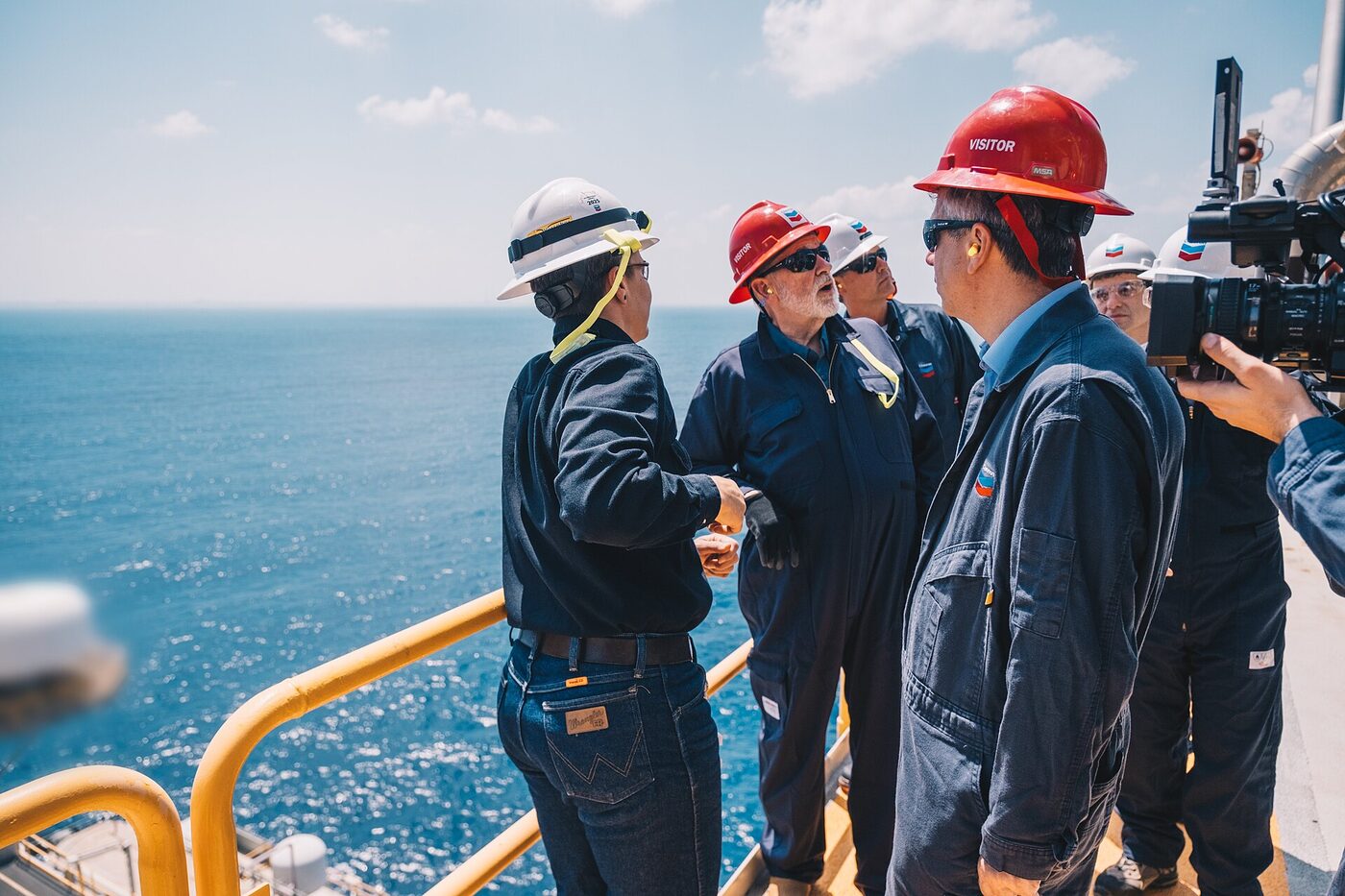
The Trump administration has handed Chevron a new six-month license to pump and export Venezuelan crude, reversing the February order that had told the company to pack up and leave. The Treasury Department's Office of Foreign Assets Control issued the authorization on July 24, reopening the single largest legal channel for Venezuelan oil to reach the United States and undoing five months of a wind-down that had squeezed the last major American operator in the country.
The reversal was fast, and it was political. It landed in the same week as a prisoner swap that returned ten Americans held in Venezuela in exchange for roughly 250 Venezuelan migrants deported from the United States. Officials framed the license as narrow and conditioned. Critics called it a lifeline for a government Washington still refuses to recognize.
What the license actually permits
The authorization restores the core of what Chevron lost in the spring. Under the new terms, the company can run its four joint ventures with state oil firm PDVSA, extract and lift crude, maintain and repair the assets, buy the goods those operations need, and sell the resulting barrels into the United States. That last piece matters most. Before the wind-down, Chevron's Venezuelan crude flowed almost entirely to Gulf Coast refiners built to process the country's heavy, sulfur-laden oil.
What the license does not allow is any cash reaching the government of Nicolas Maduro. No tax payments. No royalties. No dividends to PDVSA or its subsidiaries. That prohibition is the whole political argument, and it is also the mechanism that lets the administration claim it is squeezing the regime while restarting the oil.
The workaround is barrels. Rather than paying taxes and royalties in dollars, Chevron is expected to settle those obligations in oil handed directly to the Venezuelan state. Whether that counts as keeping money out of Maduro's pockets depends entirely on how you feel about the difference between cash and a commodity that converts to cash the moment it is sold.
How Venezuela lost the license in the first place
Chevron's presence in Venezuela runs on a specific carve-out, General License 41, first issued in November 2022 to let the company operate its PDVSA joint ventures despite the broader sanctions wall around Caracas. That license was always conditional and always reversible.
In late February, President Trump announced he was pulling it, citing Maduro's disputed 2024 reelection and his slow-walking of deportation flights. OFAC formalized the move in March, amending the license into a wind-down order that gave Chevron until late May to stop lifting oil and unwind its transactions. The message was blunt: no cooperation from Caracas, no oil deal.
Then the pressure produced results, or at least the appearance of them. The migrant and prisoner exchange gave the administration a concrete deliverable to point to, and the license came back.
The numbers behind the barrels
This is not a marginal operation. In the weeks before the wind-down bit, Chevron's four joint ventures were producing around 242,000 barrels per day, roughly 27 percent of Venezuela's total output of about 892,000 barrels a day at the start of the year. Cut off that production and Venezuela's exports don't just shrink; they shift, moving to buyers in China, Russia, and Iran who pay in murkier ways and at steeper discounts.
That reality was central to Chevron's lobbying. The company argued for months that if American operators left, the vacuum would be filled by U.S. adversaries, and Washington would lose both the oil and any leverage over how Venezuela's crude gets sold. The argument clearly found an audience.
One caveat worth flagging: the no-cash structure has a cost. Because Chevron cannot pay the government in currency and must instead hand over barrels, the volume it can actually export for its own account is smaller than the raw production figure suggests. Reporting in the weeks after the license indicated Chevron's exportable share of Venezuelan crude was cut to roughly half of what its joint ventures produce. The oil is flowing again. It is flowing on a tighter leash than before.
The politics split along familiar lines
The reaction in South Florida was immediate and divided. Republican members of Congress who represent large Venezuelan-American communities, including Mario Diaz-Balart and Maria Elvira Salazar, defended the license by pointing to the no-payment terms. Salazar's framing was that not a single dollar from Chevron would reach the Maduro regime.
Opponents rejected the distinction. Former Representative Debbie Mucarsel-Powell argued the license plainly benefits Maduro, enriching the people in power regardless of whether the payment arrives as cash or crude. A State Department official held the middle line, insisting the government would not allow the regime to profit from oil sales.
The gap between those positions is not really about facts. Everyone agrees the barrels are moving and that some value accrues to the Venezuelan state through the in-kind arrangement. The disagreement is about whether that value is small enough, and controlled tightly enough, to justify the trade.
What to watch over the next six months
The license runs six months, which means it expires around the start of 2026 and can be pulled again if Caracas stops cooperating. That built-in leash is the point. This administration has now demonstrated it will yank Chevron's authorization to make a foreign-policy point and reinstate it when it gets what it wants. Expect the license to become a recurring bargaining chip tied to migration, prisoners, and Maduro's behavior rather than to any settled energy policy.
For Gulf Coast refiners, the near-term story is simpler: heavy Venezuelan crude is legal again, at reduced volumes, on terms that could change with a single OFAC notice. For Chevron, the win is real but qualified. It kept its foothold, it beat its rivals to the reopening, and it did so under rules that leave Washington holding the shutoff valve. That is the deal on offer, and for now Chevron has taken it.
Sources
https://www.washingtonpost.com/national-security/2025/07/24/trump-chevron-venezuela-oil/https://www.wlrn.org/americas/2025-07-26/chevron-cleared-to-pump-oil-in-venezuela-under-new-u-s-license-critics-say-maduro-regime-benefitshttps://www.federalregister.gov/documents/2025/07/23/2025-13846/publication-of-venezuela-sanctions-regulations-web-general-licenses-41a-5r-and-41bhttps://sanctionsnews.bakermckenzie.com/ofac-issues-venezuela-general-license-authorizing-chevron-to-resume-limited-extraction-operations-related-faqs-and-extends-general-license-related-to-pdvsa-wind-down-transactions/https://energy-analytics-institute.org/2025/03/02/chevron-jvs-in-venezuela-producing-around-242000-b-d-or-27-of-venezuelas-production/https://energynow.com/2025/09/chevron-exports-of-venezuelan-oil-halved-under-new-us-authorization-sources-say/