Chevron Negotiates New Production-Sharing Terms to Recover PDVSA Debt
Under a license restored in July, Chevron will hand Caracas a slice of its Venezuelan crude in oil rather than cash, a structure built to speed repayment of the roughly $3 billion PDVSA owes the company.

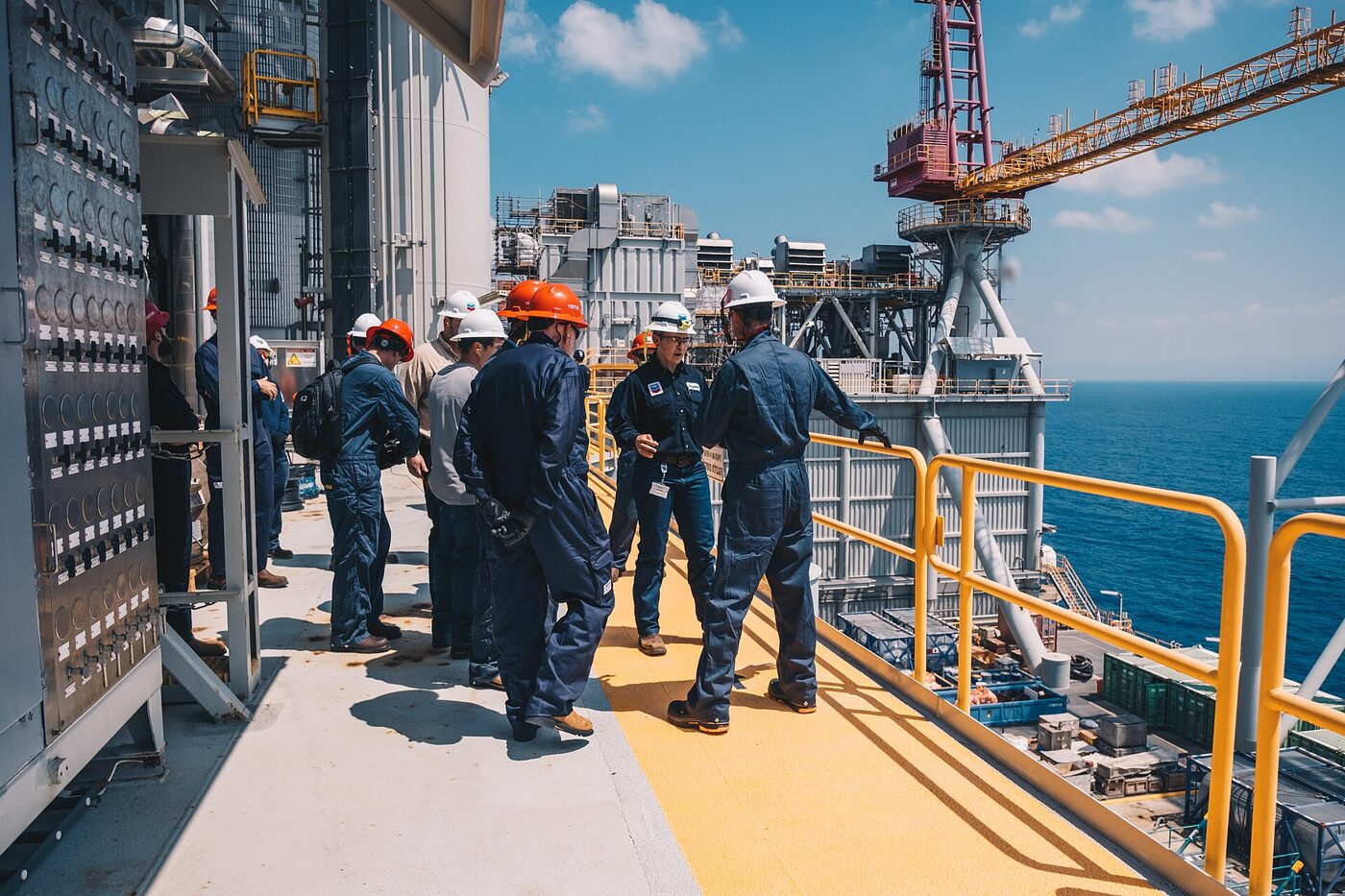
Chevron has agreed to give the Venezuelan government a share of the oil it pumps in the country, and the point of the arrangement is money the company is still owed. Under a license Washington restored in July, the U.S. major will deliver a percentage of its Venezuelan production to the state under revised terms designed to move oil, and debt repayment, faster than the previous setup managed. PDVSA, Venezuela's state oil company, owes Chevron on the order of $3 billion in unpaid dividends and joint-venture costs built up over years. The new terms are the mechanism for clawing that back.
The deal, signed in the days after the license came through, is unusual in one respect that matters: Caracas gets paid in barrels, not dollars. Chevron and PDVSA will each take their share of the crude and sell it separately. That structure is what lets the transaction clear U.S. sanctions, because it keeps cash out of Nicolas Maduro's treasury while still keeping the fields running.
How the terms actually work
The core of it is an oil-for-debt swap layered on top of a production-sharing split. Chevron holds minority stakes in four joint ventures with PDVSA that together account for roughly a quarter of Venezuela's crude output. Before the license lapsed at the end of May, those projects were pumping around 240,000 barrels a day. When operations wind back up, the government's cut comes off the top as physical oil, and PDVSA sells that portion on its own account.
Royalties and taxes get settled the same way, in crude rather than currency. Trump administration officials pushed hard to make sure Chevron would pay nothing in cash to Maduro's government, and this is how they squared it. As U.S. officials framed it, Chevron's return does not put income into the Venezuelan state in the form of cash taxes and royalties. Those obligations sit with the joint ventures, and they are being met in barrels the state then has to market itself.
People familiar with the negotiations describe the terms as broadly similar to what other foreign energy companies operating in Venezuela have accepted. That is a signal worth reading. It suggests Washington is settling on a repeatable template for how Western firms can stay in the country without funneling hard currency to Caracas, rather than cutting Chevron a one-off exception.
The $3 billion problem
The debt is the whole reason this looks the way it does. PDVSA fell behind for years on its share of joint-venture spending, and the unpaid balance to Chevron sits near $3 billion. The old arrangement under the Biden-era license used a similar oil-for-debt logic, with Chevron targeting recovery of the full amount by the end of 2025. The May revocation interrupted that clock. The July license restarts it.
The advantage of recovering through oil shipments is straightforward. Chevron gets to work down what it is owed without anyone injecting fresh cash into the Venezuelan state, which is the line Washington will not cross. Every barrel Chevron lifts and sells for its own account chips at the balance. The faster output climbs, the faster the debt comes down, which is why boosting production is not a side goal here. It is the plan.
Production is the lever
Chevron's Venezuelan output is not a rounding error for the country. At roughly 240,000 barrels a day before the pause, it was more than a fifth of national production and a load-bearing piece of the economy. Take Chevron out and the numbers get grim fast. Analysts at Rapidan Energy have said Venezuelan production could hold around 900,000 barrels a day with Chevron back in, and potentially push toward 1 million by late next year. Without the restart, forecasts had output sliding toward 600,000.
That spread, several hundred thousand barrels a day, is the difference the license makes to Venezuela's oil sector. It is also the difference to Chevron's recovery math. More barrels means more crude to split, which means the company's share, and its debt paydown, both grow. The two objectives, keeping Venezuelan production from collapsing and getting Chevron's money back, run on the same track.
What both sides are and are not saying
Chevron has kept its public comments narrow and legalistic, which is the correct posture when the underlying license terms are confidential. "Chevron conducts its business globally in compliance with laws and regulations applicable to its business, as well as the sanctions frameworks provided for by the U.S. government," spokesman Bill Turenne said. Chief executive Mike Wirth has confirmed the company is set to restart crude shipments from its Venezuelan joint ventures under the renewed waiver, with a limited amount of oil flowing to U.S. refineries.
On the Venezuelan side, the messaging is about output and continuity rather than the fine print of who gets paid how. The government's interest is obvious. Chevron running the fields keeps a fifth of national production alive and gives PDVSA a marketable share of crude it can move on its own. Neither party has published the exact percentage split or the precise debt-recovery schedule, and given the sanctions overhang, neither is likely to.
The pieces still in motion
The production-sharing deal is not the only thing on the table. Chevron and Caracas have been negotiating the return of two untapped offshore natural gas areas at the Plataforma Deltana project, on the maritime border with Trinidad and Tobago. Handing those blocks back would let Venezuela reoffer them for private investment, which points to a wider reshuffle of who holds what in the country's energy sector, not just a narrow fix for one company's receivables.
The bigger question hanging over all of it is durability. This is the second time in three years Chevron has restarted Venezuelan operations under a sanctions waiver, and the May revocation is a reminder that these licenses can vanish on short notice. The oil-for-debt structure is clever precisely because it is built for that risk: every barrel recovered is banked, whatever happens to the paper next quarter. For Chevron, the terms are less a bet on Venezuela's political future than a way to pull out what it is owed while the window is open. If the window closes again, the company will have collected whatever it could in the meantime. That, more than any forecast about a million barrels a day, is what these new terms are really about.
Sources
https://worldoil.com/news/2025/8/1/chevron-to-deliver-oil-to-venezuela-under-new-production-terms/https://investing.com/news/commodities-news/exclusivechevron-aims-to-boost-venezuela-oil-output-to-accelerate-debt-recovery-sources-3078310https://venezuelanalysis.com/news/venezuela-chevron-to-resume-crude-exports-under-new-arrangement-with-pdvsa/https://www.energycentral.com/energy-biz/post/exclusive-chevron-aims-boost-venezuela-oil-output-accelerate-debt-recovery-Nf2RAQL7TfbQiaChttps://www.euronews.com/business/2025/12/29/explainer-why-chevron-still-operates-in-venezuela-despite-us-sanctions