Chevron El Segundo Refinery Rocked By Fire In Jet-Fuel Unit
A nighttime blast in the Isomax hydrocracker knocked out the West Coast's biggest jet-fuel maker, and Southern California is about to feel it.

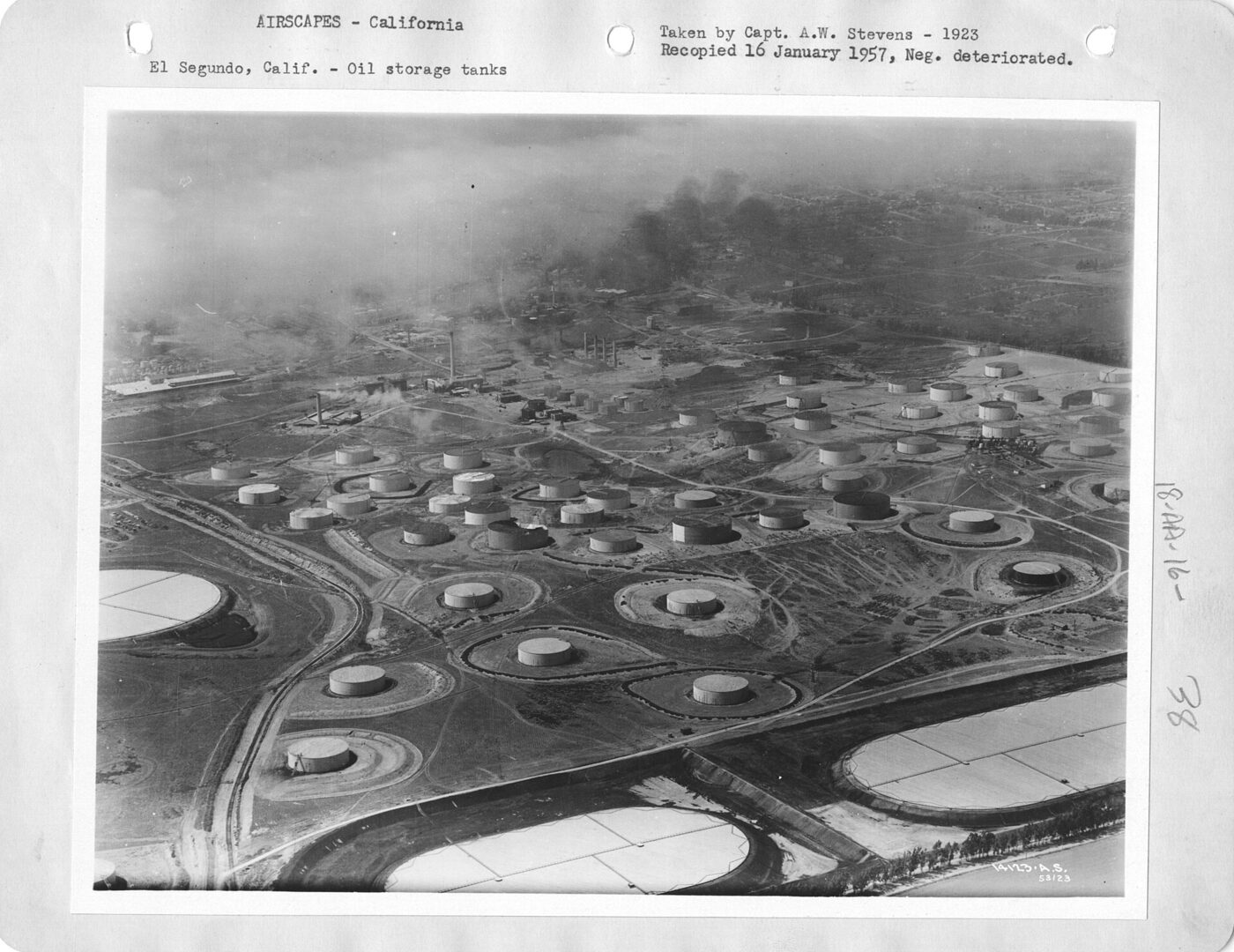
A fire tore through Chevron's El Segundo refinery at about 9:30 p.m. Pacific on Thursday, October 2, sending a fireball into the sky over the South Bay that residents could see for miles and that some mistook for an earthquake or worse. The blast hit the plant's Isomax 7 unit, the hydrocracker that turns mid-distillate oil into jet fuel. That single detail is why this fire matters far beyond the property line: El Segundo supplies roughly 40% of Southern California's jet fuel and about a fifth of its motor gasoline. When the Isomax caught, so did a big chunk of the region's fuel security.
Chevron's own fire brigade fought the blaze with help from the Los Angeles County Fire Department. The fire was contained overnight, no evacuations were ordered, and the company said all workers were accounted for with no fatalities. Los Angeles International Airport reported no disruption to operations. But the calm official readout undersells what happened here. The largest oil-producing facility on the West Coast lost its jet-fuel heart in a matter of seconds, and the investigation into why is only beginning.
What blew up, and why it counts
El Segundo runs around 290,000 barrels of crude per day, making it Chevron's second-largest U.S. refinery. The Isomax is a hydrocracker, a high-pressure, high-temperature unit that runs hydrogen over heavy feedstock to crack it into lighter products. In maximum jet mode, a unit like this can throw off half or more of its output as jet fuel. The EIA lists about 55,000 barrels per day of hydrocracking capacity at the site. That is the piece now sitting dark.
Hydrocrackers are among the most dangerous units in any refinery precisely because of what they contain: hydrogen at pressure, hot hydrocarbons, and metallurgy that has to hold both. When one of these lets go, the result is exactly what people in El Segundo saw. The rest of the refinery kept running through the weekend, but the Isomax is offline, and Chevron has not offered a restart timeline. It also has not said what caused the failure, which is standard in the first days after an incident like this.
The fuel math for Southern California
Here is the problem in plain terms. Jet fuel is the sharp end. El Segundo is the dominant jet supplier for the Los Angeles basin, and the Isomax is where that jet fuel gets made. Take the unit down and you take out the single biggest local source feeding LAX and the region's air traffic. Chevron moved immediately to buy replacement barrels on the spot market, which is the right first move but not a free one, and those costs land somewhere.
Gasoline is the slower burn. Analysts at Stillwater Associates estimated pump prices could rise 5 to 15 cents a gallon, though little of that showed up at retail over the first weekend. Gasoline inventories were adequate heading in, and the calendar helped, with higher-vapor-pressure summer-blend supply still in the system. Northern California refineries can redirect volume south, but that pulls the blanket the other way and tightens the Bay Area. None of these buffers is deep.
A thinner safety net than last time
California's refining base has been shrinking, and that changes how a shock like this plays out. The pending permanent closure of the nearby Phillips 66 Wilmington refinery removes a supply cushion that would have softened exactly this kind of outage. Fewer refineries means fewer places to make up a lost 55,000 barrels a day of hydrocracking, and it means the state leans harder on imports and on waterborne resupply that takes weeks to arrive. A market with slack can absorb an Isomax outage. A market running lean cannot, at least not without price doing the work.
That is the real anxiety under the El Segundo fire. The immediate damage is contained to one unit and, mercifully, no lives were lost. The structural damage is that California has less room to lose a unit than it did a few years ago, and everyone in the fuel trade knows it.
Not an isolated event
El Segundo lands in a bad year for American refining. Reuters and AOL have tracked roughly ten separate refinery fire incidents across the United States in 2025, hitting plants run by CVR Energy, PBF Energy, Phillips 66, Valero, Hunt Refining, Marathon, CITGO, and Chevron itself at both Pascagoula and now El Segundo. The severity ranges from minor to serious, but the pattern is hard to ignore. Aging equipment, deferred turnarounds, and hard-run units add up.
The legal fallout has already started. No one died, but four workers have filed suit citing orthopedic injuries and trauma sustained while fleeing the explosion. Multiple agencies have opened investigations into the jet-fuel unit blast. Whatever the root cause turns out to be, a hydrocracker failure of this size will draw scrutiny from Cal/OSHA and federal safety investigators, and Chevron will be answering questions for months.
What to watch next
Three things will tell us how bad this gets. First, the restart timeline on the Isomax. A few weeks is a manageable disruption. A quarter or more, and California's jet-fuel and gasoline markets start to strain in ways that show up at the pump and at the airport. Second, spot-market pricing for CARBOB gasoline and jet fuel on the West Coast, which will move before retail does and will tell the real story. Third, the cause. If investigators find a mechanical or corrosion failure that points to broader problems at the plant, the outage could widen beyond one unit.
For now the fire is out, the refinery is mostly running, and the official message is reassurance. Take it with the caution it deserves. El Segundo is the plant Southern California cannot easily replace, the Isomax is the unit it cannot easily do without, and both just had a very bad night. The next several weeks will show whether this was a scare or a squeeze.
Sources
https://en.wikipedia.org/wiki/October_2025_El_Segundo_firehttps://ca.finance.yahoo.com/news/factbox-us-refinery-fire-incidents-112633818.htmlhttps://stillwaterassociates.com/chevron-el-segundo-fire-ignites-west-coast-fuel-jitters/https://ctif.org/news/chevron-el-segundo-crude-oil-fire-sparks-multi-agency-investigation-jet-fuel-unit-explosionhttps://www.aol.com/news/caused-massive-el-segundo-explosion-100000206.html