BlackRock-Led Consortium Signs $11bn Jafurah Gas Midstream Lease With Aramco
Aramco keeps operational control of its flagship gas project while handing 49 percent of a new midstream company to Global Infrastructure Partners and a group of Gulf and Asian co-investors.

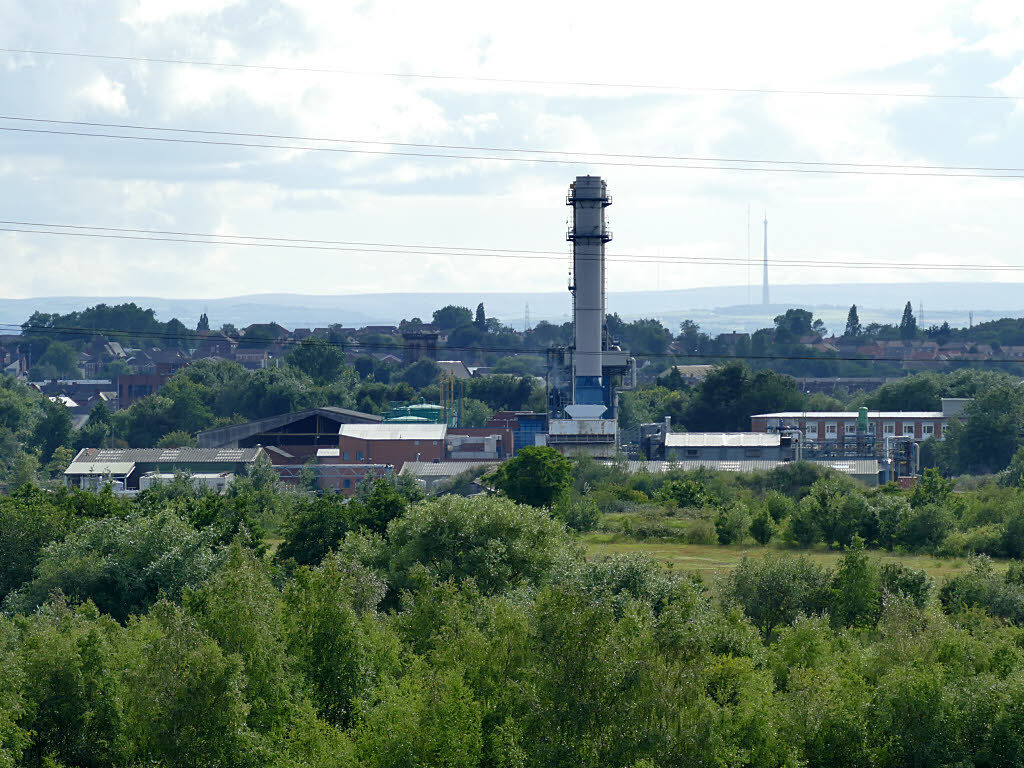
Aramco signed an $11 billion lease-and-leaseback agreement in Dhahran on August 14 that hands a BlackRock-led consortium a 49 percent slice of the processing plants at the heart of Jafurah, the largest unconventional gas field in Saudi Arabia. The deal creates a new entity, Jafurah Midstream Gas Company, and pulls a large block of foreign capital into a project the kingdom has staked much of its gas ambition on.
The mechanics are familiar to anyone who has watched Aramco raise money without giving up the barrels. JMGC takes the development and usage rights to two assets, the Jafurah Field Gas Plant and the Riyas NGL Fractionation Facility. It leases them back to Aramco for 20 years and collects a tariff. Aramco keeps 51 percent of JMGC and keeps the exclusive right to receive, process, and treat raw gas from the field. Nothing about who runs the plants changes. What changes is the ownership of the cash flows those plants throw off.
What the consortium is buying
Global Infrastructure Partners, now part of BlackRock after the $12.5 billion acquisition that closed in 2024, leads the buyer group through funds it manages. It is not alone. The consortium includes Hassana Investment Company, the investment arm of Saudi Arabia's General Organization for Social Insurance, along with The Arab Energy Fund and Aberdeen Investcorp Infrastructure Partners. Aramco has said the group also draws in institutional money from North and Southeast Asia. Several of the co-investors have not been named.
The attraction for that kind of buyer is the tariff. Infrastructure funds want long-dated, contracted, inflation-linked income that does not swing with the oil price, and a 20-year lease on gas plants backed by Aramco fits the brief almost exactly. The consortium is not taking a bet on where Henry Hub or Brent trades next year. It is taking a bet that Jafurah runs and that Aramco pays the tariff, which for a state-controlled company sitting on the world's cheapest barrels is about as close to a utility-grade credit as the energy sector offers.
Why Aramco keeps doing this
This is not new territory for Aramco or for GIP. In 2021 Aramco raised $12.4 billion by leasing stakes in its oil pipeline network to a group that included EIG, and in 2022 it pulled in about $15.5 billion on a gas pipeline deal led by BlackRock. The Jafurah agreement runs the same playbook on the field's processing hardware rather than the pipes.
The logic holds up. Aramco carries a heavy capital program and a dividend it has committed to defend, including large performance-linked payouts to the Saudi state. Monetizing midstream assets lets it book upfront proceeds, roughly $11 billion here, without selling reserves, cutting production, or handing over control of operations. The company frames it as portfolio optimization and capturing additional value, which is corporate for: we found a way to get paid now for cash flows we would have collected slowly anyway, and we did it at a price the market set.
CEO Amin Nasser called Jafurah a cornerstone of the company's gas expansion program and said the deal shows the appeal of Aramco's long-term strategy to international investors. GIP chairman Bayo Ogunlesi said the firm was pleased to deepen its partnership with Aramco through an investment in Saudi natural gas infrastructure. The language is polished, but the repeat business between these two parties is the more telling signal.
The prize under the sand
Jafurah is the reason the number is this big. Aramco estimates the field holds 229 trillion standard cubic feet of raw gas and 75 billion stock tank barrels of condensate, figures that put it among the most significant unconventional resources on the planet. First production is targeted for later this year, with output ramping through the decade. The plan is to reach roughly 2 billion standard cubic feet per day of sales gas by 2030, alongside ethane, natural gas liquids, and condensate.
The strategic point sits above the numbers. Saudi Arabia burns crude and its own liquids to generate power and desalinate water, and every barrel burned at home is a barrel not exported. Jafurah gas is meant to displace that, freeing crude for sale and feeding petrochemical and hydrogen ambitions at the same time. The kingdom has said it wants to grow gas production by more than half over the decade, and Jafurah supplies most of that growth. A field that central to national planning is exactly the kind of asset a government normally keeps close, which makes the willingness to bring in foreign equity, even at the midstream layer, worth noting.
Foreign capital, on the kingdom's terms
The deal also reads as an inbound investment story. Saudi Arabia has spent years chasing foreign direct investment targets under Vision 2030 and has repeatedly fallen short of them. Structures like this one help. They channel billions of dollars of overseas money into Saudi assets while the state retains control, the operating company retains operations, and the risk transferred to outsiders is contained to a leaseback tariff rather than the resource itself.
The financing came together with a debt package raised by the consortium and legal work that pulled in international counsel; Clifford Chance advised the lenders. The equity check from GIP and its co-investors covers the 49 percent, and the rest is leverage against those contracted tariff payments, the standard way infrastructure buyers juice returns on assets with predictable income.
What to watch next
The signing is the start, not the finish. The transaction was expected to close in the fourth quarter, subject to the usual conditions, and the tariff flows only once JMGC is live and Jafurah gas is moving through the plants. That ties the consortium's return to execution on a field that has not yet reached first production. Delays or cost overruns at Jafurah would land first on Aramco's operating economics, but a project of this scale is never entirely without slippage risk.
The bigger question is whether Aramco keeps mining its balance sheet this way. Three large midstream monetizations in five years suggest a settled strategy: sell the future income from the plumbing, keep the reserves and the control, and use the proceeds to fund the dividend and the build-out. As long as infrastructure funds keep paying up for Aramco-backed tariffs, expect more deals shaped like this one. Jafurah just gave them the template at its largest scale yet.
Sources
https://www.aramco.com/en/news-media/news/2025/jafurah-midstream-dealhttps://www.global-infra.com/news/aramco-signs-us11-billion-jafurah-midstream-deal-with-international-consortium-led-by-global-infrastructure-partners/https://www.arabnews.com/node/2611898/business-economyhttps://www.spa.gov.sa/en/N2378956https://www.cliffordchance.com/news/news/2025/09/clifford-chance-advises-lenders-to-global-infrastructure-partner-led-consortium-on-aramco.htmlhttps://www.worldpipelines.com/business-news/21082025/aramco-signs-us11-billion-jafurah-midstream-deal-with-international-consortium-led-by-global-infrastructure-partners/