UAE Quits OPEC After 59 Years, Redrawing the Cartel's Capacity Map
Abu Dhabi's departure, effective May 1, strips OPEC of a top-three producer and much of the spare capacity that lets the group steer prices.

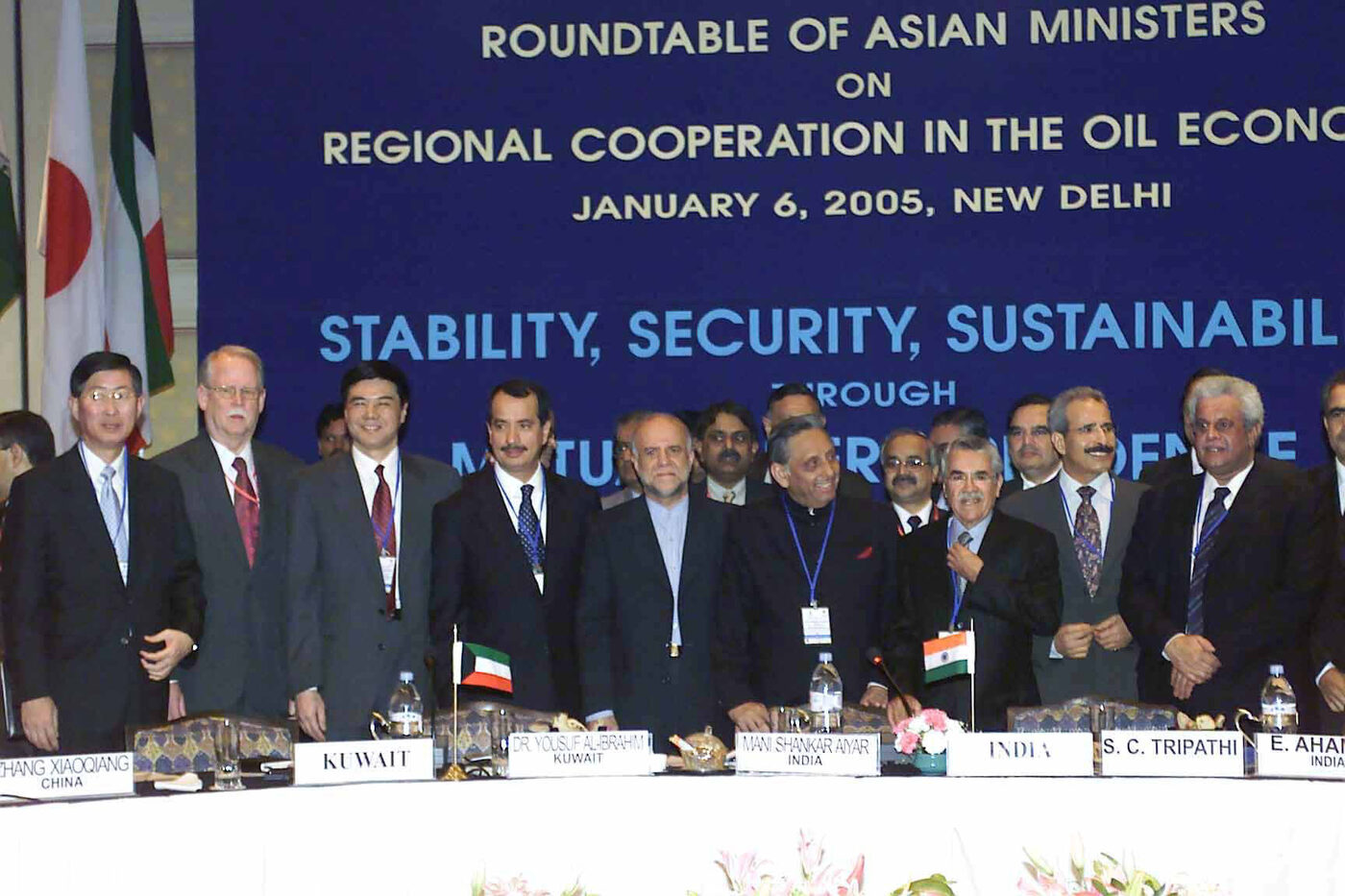
The United Arab Emirates said on April 28 that it will leave OPEC on May 1, ending a 59-year membership and pulling one of the group's three largest producers out of the pricing club it helped build. Abu Dhabi joined in 1967. It leaves as the second-biggest single hit to OPEC's global weight since Russia lashed itself to the group under the OPEC+ banner in 2016.
The numbers tell the story better than any statement. The UAE pumped about 3.4 million barrels a day in 2025, with effective capacity near 4.2 million and state producer ADNOC citing sustainable capacity of 4.85 million. OPEC produced roughly 28 million barrels a day last year, about 35 percent of world crude. Take the UAE out and the group's share drops to around 31 percent. Fold in the wider OPEC+ alliance, and the coalition's slice falls from about 46 percent toward 42.
A quota that never fit the wells
The immediate grievance is old and specific. For years the UAE's OPEC+ quota sat well below what its fields could deliver. ADNOC has spent heavily and lifted capacity by close to 40 percent over six years, targeting 5 million barrels a day by 2027. The group's ceiling kept the country near 3.4 million, roughly 30 percent under what it can produce. That gap is money left in the ground, and Abu Dhabi decided it had left enough there.
The logic is not complicated. If you have built the capacity, financed it, and watched global demand forecasts flatten as the energy transition grinds forward, holding barrels back to prop up a shared price starts to look like subsidizing your rivals. The UAE would rather sell now, at whatever the market pays, than defend a price band that mostly serves other people's budgets.
The Saudi split underneath it all
This is where Abu Dhabi and Riyadh have drifted apart. Saudi Arabia needs a firm price to fund Vision 2030, its enormous domestic overhaul, so it favors discipline and supply restraint. The UAE can live with softer prices because it is playing for volume and market position over the next decade. One country is defending a floor. The other is racing for share. Those two strategies cannot sit inside the same quota system forever, and now they won't.
An Emirati official described the exit as a policy move driven by economic interest rather than a shot at any single member. Read it however you like. The effect is the same: the second-largest voice in Gulf oil policy is walking out the door, and it is doing so at a moment when the region is already raw.
War in the Gulf sharpened the timing
The decision landed against a bloody backdrop. Fighting involving Iran that began in late February, followed by disruption around the Strait of Hormuz, squeezed export routes and exposed how differently Gulf states read the same threat. Abu Dhabi has pushed a harder line; Qatar and Oman leaned toward restraint. The UAE has spent years building its own foreign policy, tight with Washington and with Israel, and less willing to move in lockstep with Riyadh. Leaving OPEC is the economic expression of a divergence that was already political.
None of this makes the UAE a rogue producer. It stays a major supplier and a stable one. What changes is that its barrels are no longer promised to anyone. When markets tighten, Abu Dhabi answers to its own accounting, not to a group communique.
Why spare capacity is the real loss
OPEC's power has never been just the oil it pumps. It is the oil it can hold back and release on command. That flexibility, spare capacity, is what lets the group calm a panic or squeeze a rally. The UAE carried a meaningful share of it. Losing that cushion matters more than losing the headline production number, because it thins the buffer the world leans on when a pipeline blows or a war closes a strait.
Practically, more of that burden now falls on Saudi Arabia, which already shoulders most of OPEC's swing capacity. A cartel that concentrates its emergency reserve in one country is a cartel with a single point of failure. That is a weaker instrument, whatever the official line says.
Who follows, and what OPEC becomes
The UAE is not the first to walk. Indonesia, Qatar, Ecuador, Angola, and Gabon all left in recent decades, usually over quotas. What makes this one sting is size and timing. When a top-three producer with rising capacity decides the math no longer works, other members with the same complaint take notice. Iraq has chafed at its ceiling. So have others. No one is announcing anything, but the incentive to stay shrinks each time a heavyweight proves you can leave and keep selling.
The likelier outcome is not collapse but erosion. OPEC becomes smaller, more centered on Saudi Arabia, and less able to move prices with a single decision. A looser, more decentralized group still matters. It just cannot bluff the way it once could.
For now, watch three things after May 1: how fast the UAE ramps toward its capacity, whether prices soften as those unquota'd barrels hit the market, and what Riyadh does with a cartel that just got harder to steer. The UAE spent 59 years inside OPEC. It is betting the next decade is better spent outside it. The rest of the group has to figure out what it is worth without them.
Sources
https://www.eia.gov/todayinenergy/detail.php?id=67804https://www.npr.org/2026/04/28/nx-s1-5802735/uae-leaves-opec-oilhttps://www.aljazeera.com/news/2026/4/28/what-are-opec-and-opec-and-why-has-the-uae-quithttps://mecouncil.org/publication/the-uaes-exit-from-opec-when-politics-and-oil-mix/https://www.cnbc.com/2026/04/29/uae-opec-exit-oil-iran-war.html