Summer-Grade vs. Winter-Grade Gasoline: The Hidden Reason Pump Prices Jump Every Spring
A single volatility spec, Reid Vapor Pressure, quietly rewrites what refiners can pour into your tank every spring, and the switchover reliably drags pump prices higher before summer driving even starts.

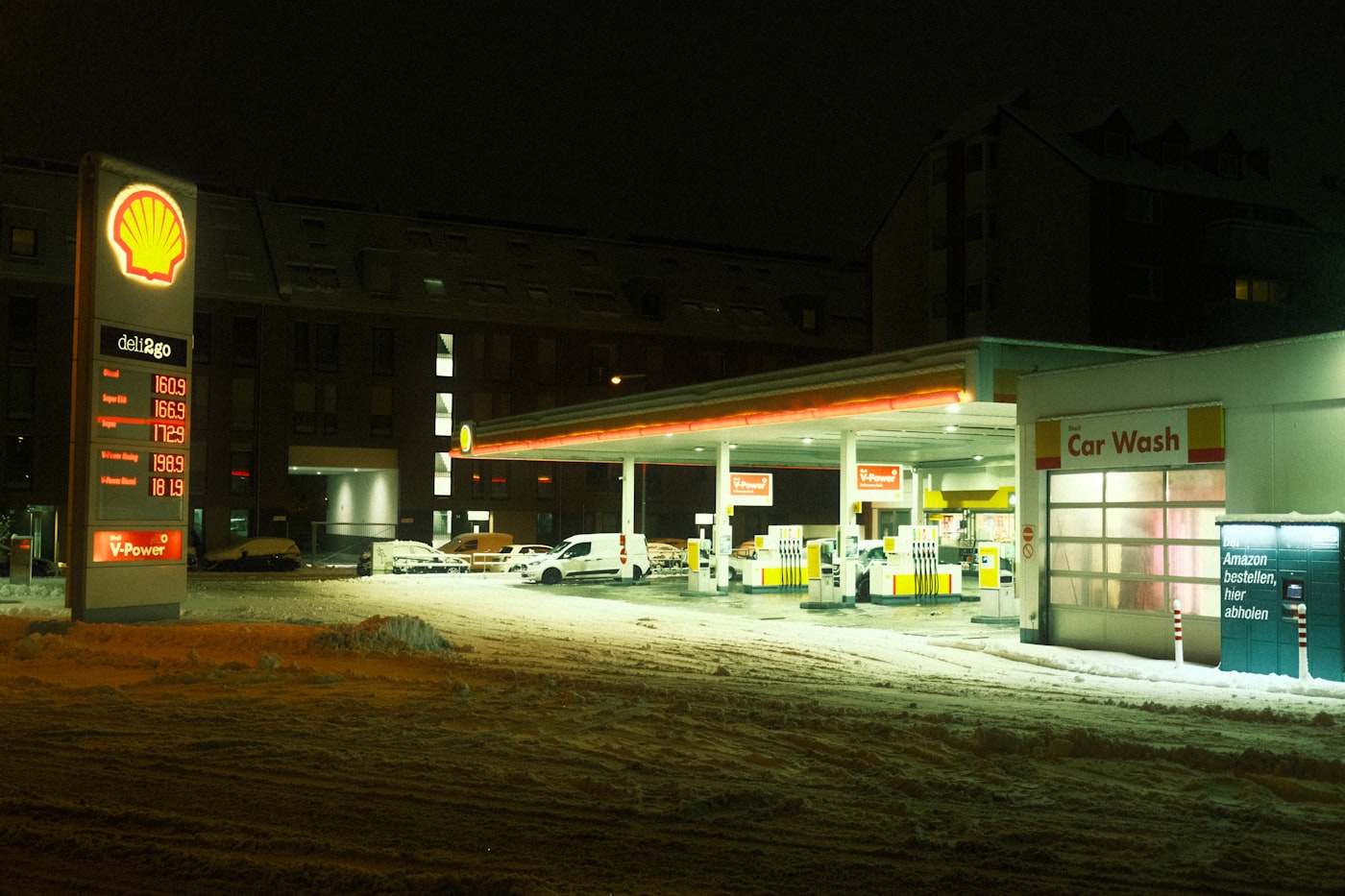
Watch the retail gasoline board in your town from mid-February through May and you will see the same move nearly every year: a grind higher that has almost nothing to do with the crude price on cable news. Crude can sit flat, or even slip, and pump prices still climb. The reason is not a conspiracy at the corner station. It is a change in the recipe, enforced by regulation, that forces refiners to strip the cheapest ingredient out of gasoline and replace it with something that costs more. The governing number is Reid Vapor Pressure, and understanding it explains the spring bump better than any headline about geopolitics.
What RVP actually measures
Reid Vapor Pressure is a measure of how eagerly gasoline evaporates. Technically, it is the vapor pressure a fuel sample exerts at 100 degrees Fahrenheit in a sealed chamber, measured under ASTM method D323 and reported in pounds per square inch. Higher RVP means a more volatile fuel that flashes into vapor at lower temperatures. Lower RVP means a fuel that stays liquid and evaporates less.
That single property cuts two ways depending on the season. In cold weather you want volatility. A fuel that vaporizes easily lights off in a cold engine and gets you moving on a January morning. In hot weather that same eagerness becomes a liability. Warm gasoline evaporating out of tanks, hoses and the fuel system throws off volatile organic compounds, and those VOCs cook in sunlight into ground-level ozone, the core of summer smog. So the fuel that helps you in winter hurts air quality in July.
Why the EPA and the states cap summer volatility
Because of that ozone problem, the EPA caps gasoline volatility during the warm months. The baseline federal summer limit across the continental United States is 9.0 psi. Designated high-ozone areas are held tighter, to 7.8 psi. Reformulated gasoline regions run to roughly 7.4 psi, and California, with its own rules, is the strictest at around 7.0 psi.
The calendar has a deliberate two-step built into it. Refiners and bulk terminals have to be on summer-spec fuel by May 1. Retailers and wholesalers get until June 1, and the control period runs through September 15. That staggering is not an accident; it gives the supply chain lead time to flush the winter product forward before the pumps have to comply. In practice the spot and rack markets begin turning even earlier. California's spot market often starts shifting in early March, well ahead of anyone else.
The butane problem, and why it costs money
Here is the mechanism that actually moves the price. Through the winter, refiners lean on butane as a blendstock. Butane is cheap, it is abundant, and it lifts octane. It also has an enormous vapor pressure, on the order of 50-plus psi on its own, so a few percent of butane in the blend pushes RVP up fast. In cold months that is fine, even desirable. Winter gasoline can carry a much higher RVP, so butane is close to a free lunch: cheap volume and cheap octane in one stream.
When the summer spec kicks in, that lunch ends. To hit 9.0 psi, or 7.0 in California, refiners have to pull the butane back out. The volume and the octane it was providing have to come from somewhere else, and the replacement is a costlier component such as alkylate, which delivers octane without the volatility penalty. Substituting expensive alkylate for nearly free butane is the heart of why summer-grade gasoline simply costs more to make. Industry estimates of that added production cost have historically landed in the range of roughly 5 to 15 cents per gallon for the summer grade versus winter quality product.
Maintenance season lands at the worst possible time
The spec change does not happen in isolation. Refiners schedule their heavy maintenance, the multi-week shutdowns known as turnarounds, for the first quarter and early spring. The timing is logical from their side: gasoline demand is at its seasonal low in late winter, and the work has to be done before summer to have units ready for the transition and for peak driving season. But the effect on the market is to pull refining capacity offline precisely as the industry is trying to build the more expensive summer blend and rebuild inventories ahead of Memorial Day.
So the spring squeeze is really two forces stacked on top of each other. The recipe gets more expensive because of RVP, and the amount of fuel being produced dips because units are down for turnarounds. Lower supply, higher unit cost, and rising demand as the weather warms all arrive in the same window. That is why AAA and others regularly flag late winter and spring for some of the largest weekly price increases of the year, even when crude is not the driver.
Boutique fuels and the balkanized map
If every gallon in the country met one national spec, the switchover would still lift prices, but it would not produce the sharp local spikes we see. It does, because the U.S. fuel market is fractured. The 1990 Clean Air Act Amendments mandated reformulated gasoline, or RFG, for metro areas with the worst ozone. RFG now makes up roughly a quarter of U.S. gasoline sales and is required by the Clean Air Act in high-smog areas. On top of that, individual states wrote their own blends, some tighter than conventional gas but looser than RFG, each with its own volatility and content rules that vary by geography and time of year.
The result is a patchwork often called boutique fuels. The problem with a patchwork is fungibility. When a refinery hiccup or a pipeline outage hits a region that requires its own unique blend, you cannot simply truck in gasoline from a neighboring market, because that fuel is not legal to sell there. Supply cannot flow to where the shortage is. That is what turns a modest regional disruption into a local price spike, and it is why the same barrel of trouble produces a 10-cent move in one metro and a 40-cent move in another. Analysts have long noted that the RFG requirement alone adds something on the order of 7 cents per gallon on average, but the range varies by more than a factor of two depending on how isolated and how competitive the local market is.
The bottom line for spring
None of this is a temporary distortion. It is baked into the regulatory calendar, and it repeats every year. If you want to read the spring gasoline market, stop staring only at the crude tape and watch three things: the spot-market switch to summer RVP that starts in the West as early as March, the turnaround schedule thinning out refinery runs through the first quarter, and which boutique blend your region is stuck with when something breaks. The pump price climbs in spring because the fuel legally has to change, and the change costs money. The only real question each year is how much, and how uneven the map turns out to be.
Sources
https://www.eia.gov/todayinenergy/detail.php?id=67464https://www.opis.com/blog/gasoline-prices-rvp-season/https://rbnenergy.com/daily-posts/blog/summer-gasoline-winter-gasoline-and-reid-vapor-pressurehttps://info.oregon.aaa.com/switch-to-summer-gas-makes-pump-prices-spring-higher/https://www.everycrsreport.com/reports/RL31361.htmlhttps://cstoredecisions.com/expect-gasoline-prices-increase-spring-maybe-summer/