India's Reliance Halts Rosneft Crude as Sanctions Wind-Down Deadline Hits
The 30-day OFAC wind-down window on Rosneft expired at 12:01 a.m. Eastern on November 21, and Reliance's Jamnagar complex stopped taking the sanctioned producer's oil to protect its access to the dollar banking system.

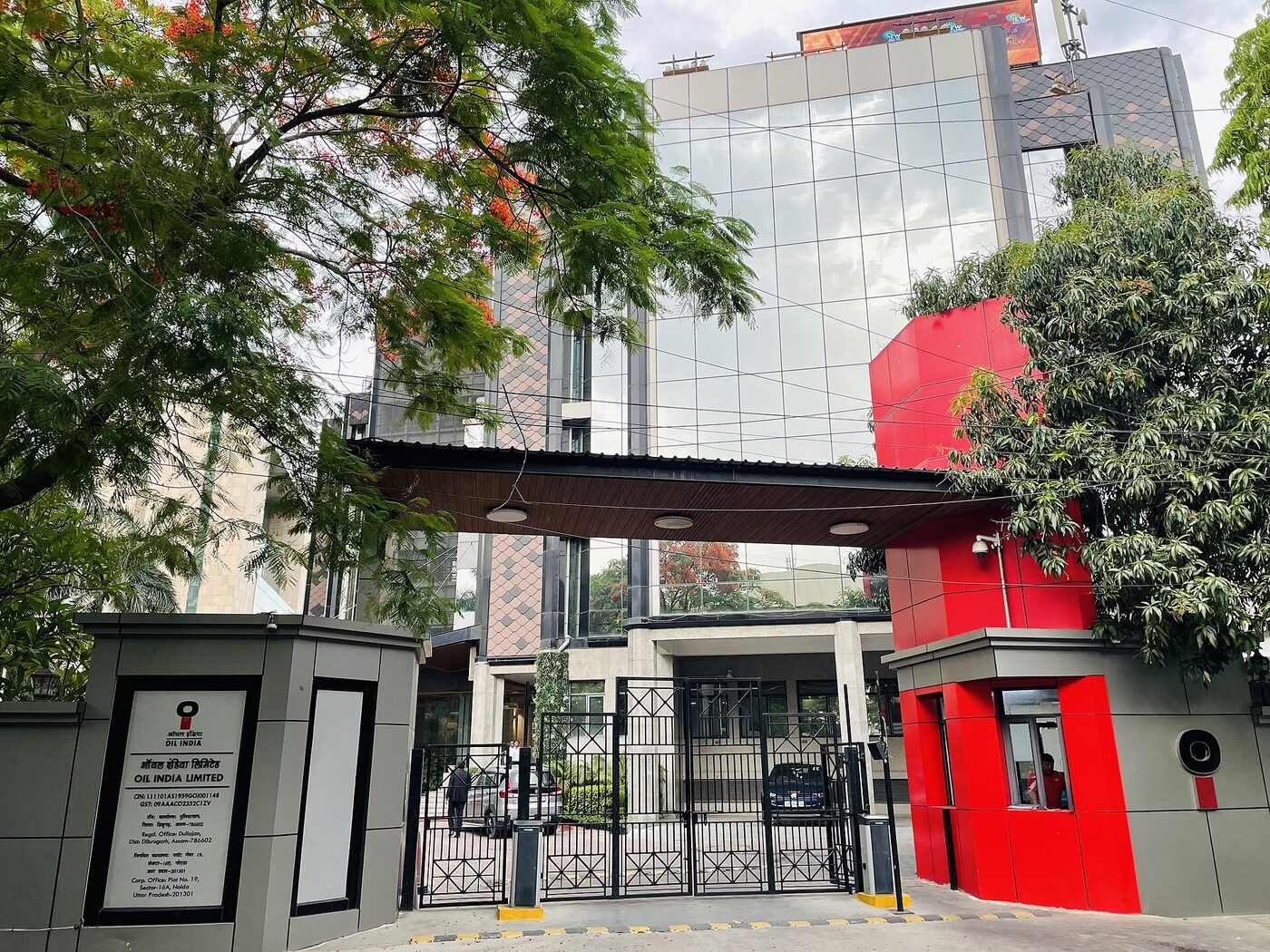
The clock ran out on Russian crude at Jamnagar. At 12:01 a.m. Eastern Standard Time on November 21, the U.S. Treasury's 30-day wind-down license for Rosneft expired, and Reliance Industries did exactly what it signaled it would do the day Washington moved: it stopped importing crude from the sanctioned Russian producer. That decision severs, at least for now, a supply line that had been feeding roughly half a million barrels a day into the largest refinery complex on the planet.
Reliance runs 1.4 million barrels per day of crude processing at its twin refineries on the Gujarat coast, one geared to the Indian market and one built inside a special economic zone to churn out diesel, gasoline and jet fuel for export. Rosneft was a cornerstone supplier under a long-term arrangement to lift close to 500,000 bpd. Cutting that off is not a rounding error. It is a structural change to how the world's biggest single-site refiner sources its feedstock.
What Washington did on October 22
The trigger was a designation, not a threat. On October 22, the Treasury's Office of Foreign Assets Control added Rosneft and Lukoil to the Specially Designated Nationals list under Executive Order 14024, citing their operations in Russia's energy sector. Between them the two companies account for a large slice of Russian output, and Rosneft alone represents something on the order of 6 percent of global production. This was the sharpest energy-sector move of the Trump administration's Russia campaign to date, coordinated with parallel steps from the U.K. and the European Union.
OFAC paired the blacklisting with General License 126, a standard mechanism that authorized transactions needed to wind down existing business with the two producers. That license was time-boxed. It ran 30 days and expired at one minute past midnight Eastern on November 21. After that, a buyer touching Rosneft barrels risks being treated as dealing with a blocked person, which opens the door to secondary sanctions.
Why Reliance had no real choice
The math on secondary sanctions is brutal for a company like Reliance. It is a publicly listed conglomerate that clears international trade in dollars and relies on access to the U.S. banking system for everything from crude payments to product sales to its financing. A secondary designation would freeze that access. No refining margin on discounted Russian crude comes close to covering that downside.
Reliance said as much in plain terms after the October 22 action, stating it would comply with the sanctions and recalibrate its crude sourcing to align with government guidelines. The company had already told analysts it would adjust its slate. Behind the corporate language sits a simple calculation: a listed entity with dollar exposure cannot be seen carrying cargoes from an OFAC-blocked seller past the deadline.
The biggest risk was never the price of a barrel. It was losing the ability to bank a dollar. That is the exposure that ended the Rosneft relationship at the deadline, not economics.
The hole in the barrel count
India as a whole was pulling something close to 1.8 to 1.9 million bpd of Russian crude in the run-up to the deadline, and refiners front-loaded purchases to grab cheap barrels before the window shut. Russian grades had become roughly a third of the country's crude diet since 2022 because Urals and other exports traded at a discount to Middle Eastern benchmarks. Reliance sat at the center of that trade.
Replacing 500,000 bpd is not trivial, but Reliance has the commercial reach to do it. The company has been buying West Asian crude to cover the gap, including cargoes out of Iraq and Qatar reported in the millions of barrels, and it has picked up Kuwaiti grades as it pivots away from sanctioned Russian oil. Those barrels cost more. The discount that made Russian crude attractive is precisely the thing Reliance is now giving up, which will show up in feedstock costs and, over time, in refining margins on the export side.
Loopholes, waivers and the fine print
The halt is not as clean as a light switch. Reliance secured a concession allowing it to receive Rosneft cargoes that were contracted before the sanctions were announced, meaning oil already on the water or locked in under prior deals could still land. Reporting after November 21 indicated the refiner took delivery of pre-sanctions cargoes and won a further short concession from Treasury, receiving a run of Russian cargoes in the weeks after the deadline under those carve-outs. That is the difference between stopping new business with a blocked seller and unwinding a supply chain that stretches across oceans on multi-week voyages.
Expect this pattern across the Indian refining sector. State-owned processors are hunting for non-sanctioned Russian grades or routing through intermediaries where they can, while treating the OFAC-designated entities as untouchable. The one Indian plant that keeps taking sanctioned crude directly is Nayara's Vadinar refinery, which is already sanctioned itself and has little more to lose.
What it means for the market
Crude jumped about 5 percent when the sanctions landed on October 22, with WTI pushing above $60 and Brent clearing $65, as traders priced in the loss of a chunk of Russian barrels from the compliant market. The read-through is straightforward. If Indian refiners, led by Reliance, shift 500,000 or more barrels a day from discounted Russian crude to Middle Eastern grades, that tightens the medium-sour market Gulf producers serve and widens the premium those buyers pay.
The other side of the trade is Russian oil that now needs a home. Barrels that can no longer clear through a dollar-banking refiner like Reliance will look for deeper discounts, murkier intermediaries and buyers with less exposure to the U.S. financial system. That is how sanctioned crude has moved before, and it will move that way again, just at a wider spread and through a narrower set of hands.
For Reliance, the near-term story is cost discipline and cargo logistics as it rebuilds a crude slate around Gulf suppliers. For India, it is the quiet end of the assumption that cheap Russian oil was a permanent fixture. And for anyone watching the enforcement of energy sanctions, November 21 was the test case: a marquee buyer, given a month to wind down, chose the banking system over the barrel. That choice tells you how the rest of this plays out.
Sources
https://oilprice.com/Energy/Crude-Oil/Indian-Reliance-to-Halt-Crude-Imports-from-Rosneft-After-US-Sanctions.htmlhttps://oilprice.com/Latest-Energy-News/World-News/Reliance-Industries-Slashes-Russian-Crude-Imports-Under-US-Sanctions-Pressure.htmlhttps://www.outlookbusiness.com/news/reliance-industries-to-halt-russian-oil-imports-amid-us-sanctions-on-rosnefthttps://www.clearytradewatch.com/2025/11/ofac-general-licenses-open-door-for-lukoil-divestment-and-other-limited-activities-following-rosneft-and-lukoil-sanctions/https://www.sullcrom.com/insights/memo/2025/October/United-States-Sanctions-Significant-Russian-Oil-Companies-Rosneft-Lukoilhttps://www.deccanherald.com/business/companies/reliance-industries-says-will-comply-with-us-sanctions-on-russian-oil-3774233