The RBOB Machine: How Summer-Grade Gasoline Blending Sets the Pump Price
A pound or two of vapor pressure and a calendar date are why your gasoline gets more expensive every spring, and why the price map of the United States looks like a patchwork.

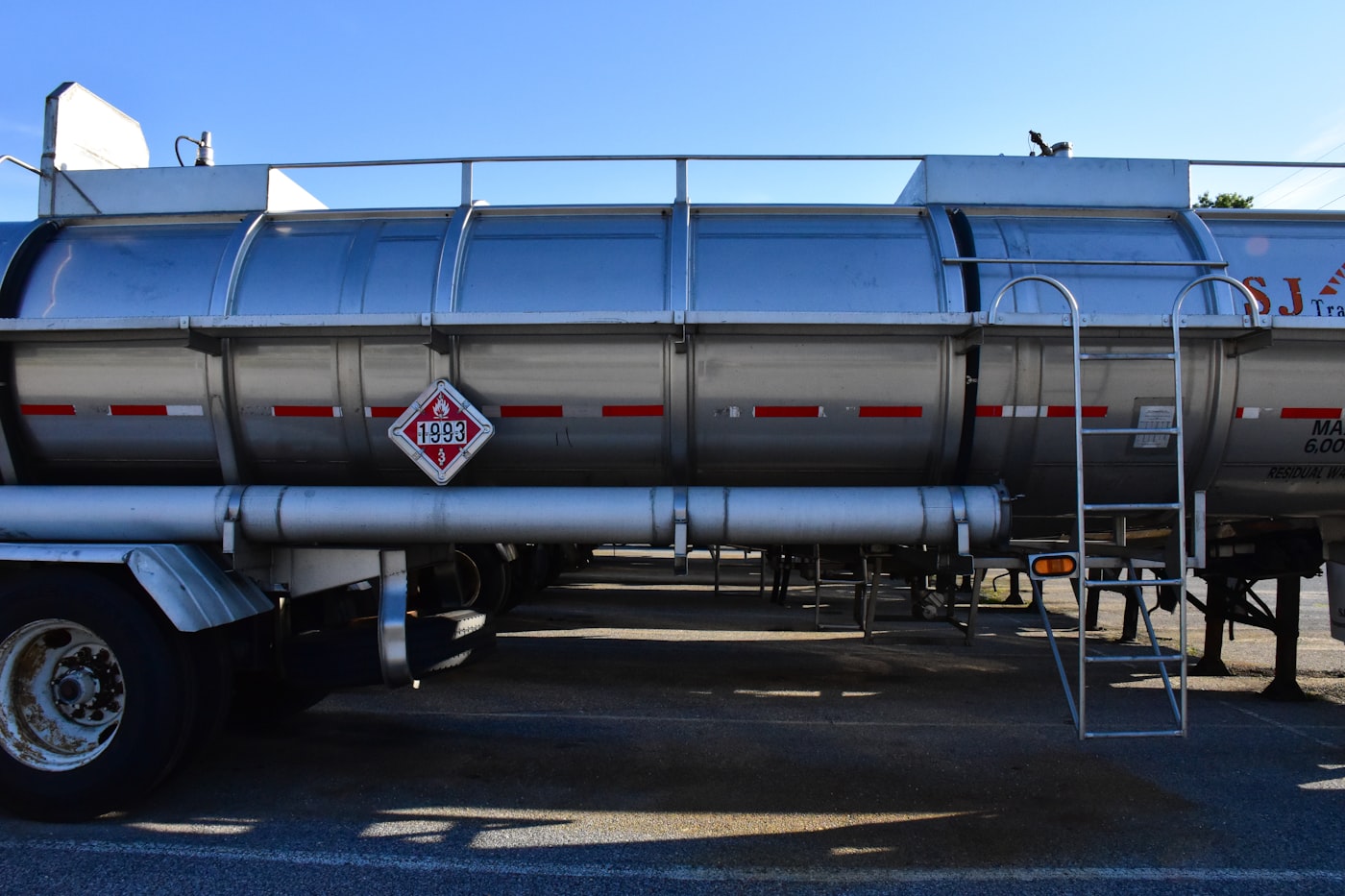
Every year around late February, wholesale gasoline traders start watching a number that has nothing to do with crude oil and everything to do with the thermometer. It is called Reid vapor pressure, and the switch from winter fuel to summer fuel is the most reliable price event on the gasoline calendar. It happens on schedule, refiners plan their maintenance around it, and drivers pay for it at the pump without ever hearing the term. If you want to understand why gasoline climbs into the spring even when crude is flat, start with vapor pressure and the contract that trades on it.
What Reid vapor pressure actually measures
Reid vapor pressure, usually written RVP, is a measure of how easily gasoline evaporates. It is quoted in pounds per square inch. The higher the number, the more the fuel wants to turn into vapor at a given temperature. In cold weather you want a higher RVP so the engine starts. In hot weather that same volatility becomes a problem: the evaporating hydrocarbons are volatile organic compounds, and in sunlight they cook into ground-level ozone, the main ingredient in summer smog.
That is why the Environmental Protection Agency caps volatility in the warm months. Under the Clean Air Act, gasoline sold during the summer ozone season may not exceed 9.0 psi RVP across most of the country, and stricter areas are held to 7.8 psi. The season runs June 1 through September 15 at the retail level, and earlier for refiners, who have to hit May 1. The law also grants a 1.0 psi allowance for gasoline blended with 10 percent ethanol, which is why standard E10 gets a little slack.
Why the summer switch costs money
Lowering vapor pressure is not free, and here is the mechanical reason. The cheapest way to build up gasoline volume is butane. Butane is abundant, it is cheap, and it has a very high vapor pressure. In the winter, refiners and blenders pour butane into the pool because it lifts octane and volume at low cost. In the summer they cannot, because it would blow past the RVP cap. So they pull the cheap, high-vapor components out and replace them with expensive low-volatility streams like alkylate.
You are swapping a cheap barrel for a costly one and losing blend volume at the same time. Multiply that across the national gasoline pool and it is real money. The American Fuel and Petrochemical Manufacturers has estimated that forcing the Midwest onto a tighter summer specification would add on the order of 500 to 800 million dollars a year to that region's fuel costs. That figure is about a regional boutique blend, but it shows the scale of what a single vapor-pressure decision does to supply-chain economics. Layer on refinery turnarounds, which are timed for spring so units come back before driving season, and you get the familiar late-winter-into-spring price climb.
RBOB is not the gasoline in your tank
Here is where people get tripped up. The benchmark futures contract everyone quotes, RBOB, is not finished gasoline. RBOB stands for Reformulated Blendstock for Oxygenate Blending. It is a base gasoline engineered to have room for ethanol added later. It trades on the New York Mercantile Exchange in contracts of 42,000 gallons, priced in dollars per gallon, with delivery in New York Harbor. It is the reference price for wholesale gasoline in the United States.
But it is a blendstock, not a finished product. Most retail gasoline in the country is E10, which is 90 percent blendstock and 10 percent ethanol, married together at the distribution terminal rather than at the refinery. The conventional cousin, CBOB, is the same idea without the reformulated requirements. The reason the split matters is that the specification of the blendstock changes with the season. When traders talk about the RBOB contract rolling from the winter grade to the summer grade, they are literally trading two different physical products under one ticker, and the price gap between the expiring winter month and the incoming summer month is one of the cleaner ways to see the cost of the switch priced in advance.
A country carved into fuel zones
Vapor pressure is only the first layer. The United States does not have one gasoline market; it has dozens of overlapping ones. Roughly a quarter of gasoline sold nationally is federal reformulated gasoline, or RFG, required by the Clean Air Act in metro areas with the worst smog. RFG carries its own tighter volatility limits, near 7.4 psi in summer. Then there is California.
California runs its own program, CARBOB, the blendstock behind California reformulated gasoline. It is the strictest motor fuel specification in the world: very low sulfur, low aromatics, and summer RVP pushed as low as 7.0 psi. Every county in the state uses a version of it, not just the ones the federal government requires to. The catch is that almost nobody outside California makes it. More than 90 percent of the state's demand is met by in-state refineries, and when one of them hiccups there is no deep pool of neighboring supply to draw on, so California leans on waterborne imports and its pump prices routinely sit a dollar or more above the national average. This is the boutique-fuel problem in one sentence: the more you fragment the specification map, the thinner and more fragile each individual market becomes.
The wild card: Washington can rewrite the map overnight
All of this rests on rules, and rules can move. On March 25, 2026, the EPA issued an emergency fuel waiver that did something the industry has argued about for years. It temporarily waived federal enforcement of state boutique-fuel requirements and allowed a single national gasoline pool at 9 to 15 percent ethanol under a common 10 psi RVP standard, and it cleared E15 for summer sale. The agency framed it as shoring up domestic supply and giving drivers relief, citing disruption tied to conflict in the Middle East. It took effect May 1, 2026, structured to run in 20-day increments through the September 15 end of ozone season.
A 10 psi ceiling is looser than the usual 9.0, and collapsing the boutique patchwork into one pool is exactly the kind of simplification refiners have long said would cut costs and volatility. Whether it delivers that at the pump this summer is the open question, and it is temporary by design. But it is a clean demonstration of the point: the pump price is not only a function of crude and refining margins. It is a function of a specification, a calendar, and a regulator, and any one of the three can turn.
What to watch
For the rest of this season, keep an eye on the RBOB crack spread, the gap between the gasoline contract and crude, because that is where the summer-blend premium shows up first. Watch how the waiver interacts with California, which regulates its own fuel and does not simply defer to a federal RVP number. And come autumn, watch the reverse trade, when the summer grade rolls off, butane comes back into the pool, and gasoline gets cheap again on cue. The machine runs both directions. It always has.
Sources
https://www.epa.gov/gasoline-standards/gasoline-reid-vapor-pressurehttps://www.eia.gov/todayinenergy/detail.php?id=67464https://www.afpm.org/newsroom/blog/rvp-opt-out-500-800-million-summertime-tax-midwest-fuel-supply-chain-consumershttps://www.epa.gov/newsreleases/epa-fortifies-domestic-fuel-supply-provides-americans-relief-pump-approving-nationwidehttps://www.cmegroup.com/markets/energy/refined-products/rbob-gasoline.htmlhttps://ww2.arb.ca.gov/our-work/programs/california-reformulated-gasoline