OPEC+ Approves Symbolic Output Rise as Strait of Hormuz Chokes Gulf Exports
The cartel signed off on a 188,000 barrel-per-day hike for June, but with the Strait of Hormuz shut, most of those barrels exist only on paper.

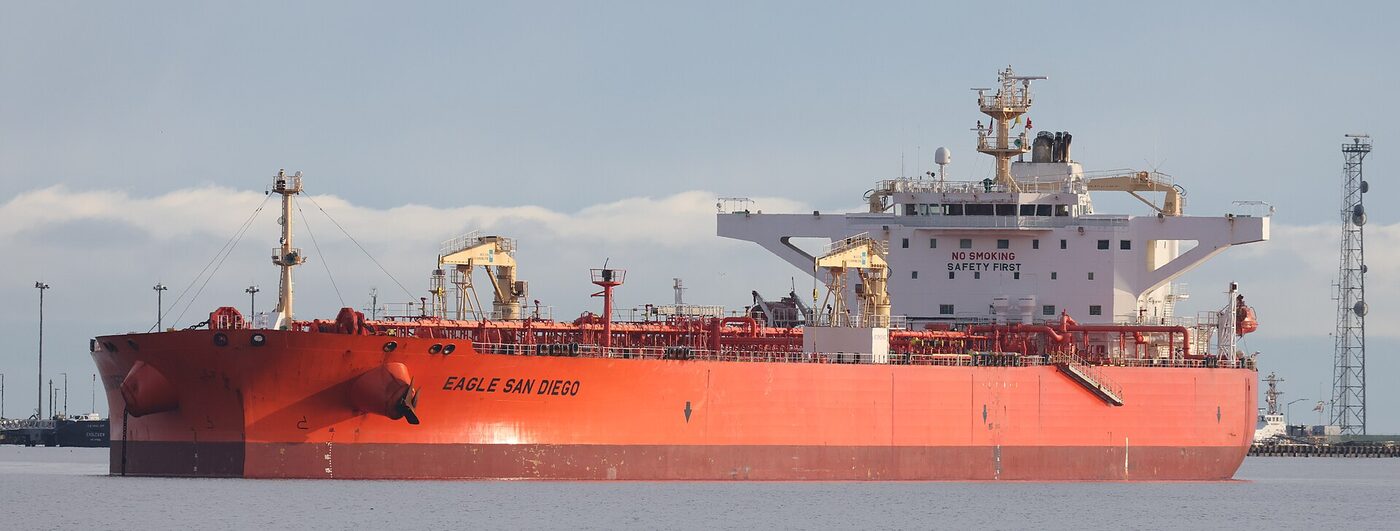
OPEC+ agreed on Saturday to raise its collective crude output by 188,000 barrels per day in June, a decision the group framed as support for market stability. In practice it is one of the emptiest production increases the alliance has ever announced. The Strait of Hormuz has been effectively closed since late February, and the three producers doing the heaviest lifting on paper, Saudi Arabia, Iraq and Kuwait, cannot get their existing barrels out, let alone new ones.
The math tells the story. Seven countries signed the statement: Algeria, Iraq, Kazakhstan, Kuwait, Oman, Russia and Saudi Arabia. Saudi Arabia's nominal quota now sits at 10.291 million barrels per day. Its actual March output was 7.76 million. Iraq offers the starkest gap of all. Baghdad was pumping more than 4 million barrels per day before the war; by early May it was down to roughly 1.4 million, according to figures circulating alongside the decision. You cannot add 188,000 barrels to a system that has already lost several million.
A quota hike into a closed chokepoint
Around a fifth of the world's seaborne oil moves through the Strait of Hormuz in normal times, close to 20 million barrels a day of crude, condensate and refined product. Saudi Arabia has the East-West pipeline to Yanbu on the Red Sea as a partial workaround. Iraq and Kuwait have almost nothing. Their exports run through Gulf terminals that feed straight into the strait, so when the passage closes, their oil sits in tanks or stays in the ground.
That is why the group's own language gave the game away. "In their collective commitment to support oil market stability, the seven participating countries decided to implement a production adjustment of 188 thousand barrels per day," the statement read. A production adjustment nobody can physically deliver is not a supply response. It is a signal, and a weak one.
OPEC+ crude output fell by 7.7 million barrels per day between February and March, the sharpest collapse the alliance has recorded outside the early pandemic. Against a hole that size, 188,000 barrels is rounding error. Since April the group has authorized close to 600,000 barrels per day in cumulative increases, and the market has treated nearly all of it as theoretical.
Prices already told everyone the truth
Crude did not react the way it would to real barrels. Prices rose about $3 on the announcement, the reflex of a market pricing headlines rather than volumes. The bigger move happened weeks ago. Since the US-Israel war on Iran began on February 28, benchmark crude has gained more than $20 a barrel and pushed to a four-year high above $125. When traders are paying that kind of premium, a paper hike from OPEC+ does not loosen anything.
The premium is a fear premium, priced against the strait staying shut and against the war widening. It is not priced against under-supply that the cartel can fix by lifting quotas, because the cartel cannot fix it. Only the reopening of Hormuz can.
The surplus nobody is talking about yet
Here is the part the June decision quietly sets up. If the strait reopens, all those quota increases stop being theoretical at once. Saudi Arabia, Iraq and Kuwait would try to clear built-up inventory and ramp back toward pre-war rates in the same window. The paper barrels become real barrels, fast, and they arrive into a market that spent months pricing scarcity.
A Rystad Energy analyst warned that once the strait reopens, the market could shift rapidly from fearing a shortage to fearing a surplus.
That is the trap built into a symbolic hike. Every increase the group waves through during the blockade is deferred supply. It accumulates. The longer Hormuz stays closed and the more quota OPEC+ stacks up, the harder the eventual snap-back hits prices on the way down. The cartel is writing checks the strait is currently refusing to cash, and they will all come due on the same day.
The UAE walkout hangs over the room
The decision landed days after the United Arab Emirates announced its withdrawal from OPEC+, citing interference in its production decisions. The Saturday statement did not mention the departure at all, which is its own kind of statement. Abu Dhabi has spent years pushing for a higher baseline that matches its expanded capacity, and losing a Gulf heavyweight in the middle of a supply crisis is not a sign of an alliance operating from strength.
The strain shows up beyond the oil terminals. Dubai's airport reported a sharp drop in passenger traffic last month as carriers rerouted flights away from the conflict zone. The war that closed the strait is bleeding into the wider Gulf economy, and the producers most exposed to Hormuz are the ones with the fewest ways around it.
What to watch now
The number to track is not the quota. It is whatever restores traffic through Hormuz, because that single variable governs both the current price spike and the surplus waiting on the other side of it. Iraq's export figure is the cleanest gauge of real distress; a recovery from 1.4 million barrels a day toward its old 4 million would be the first hard sign the passage is functioning again.
Until then, treat OPEC+ output announcements for what they are during a blockade. They tell you what the group wants the market to believe about its intentions. They tell you nothing about how much oil is actually reaching a ship. On June's numbers, the honest read is that the alliance approved a hike it hopes it will one day be able to deliver, and left the timing entirely to a strait it does not control.
Sources
https://www.aljazeera.com/news/2026/5/3/opec-announces-symbolic-oil-output-rise-during-strait-of-hormuz-closurehttps://www.middleeasteye.net/live-blog/live-blog-update/opec-set-raises-output-strait-hormuz-blockade-disrupt-oil-flowshttps://www.cnbc.com/2026/05/03/opec-announces-188000-barrels-per-day-output-increase-.htmlhttps://www.indexbox.io/blog/opec-approves-188000-bpd-output-hike-amid-strait-of-hormuz-blockage/https://www.cnbc.com/2026/06/07/opec-set-for-fourth-oil-quota-hike-since-strait-of-hormuz-closure.html