OPEC+ Approves 137,000 bpd December Rise Then Pauses Hikes Through Q1
Eight OPEC+ producers signed off on one more small December increase, then agreed to hold output flat through the first quarter of 2026 as they brace for a weaker season.

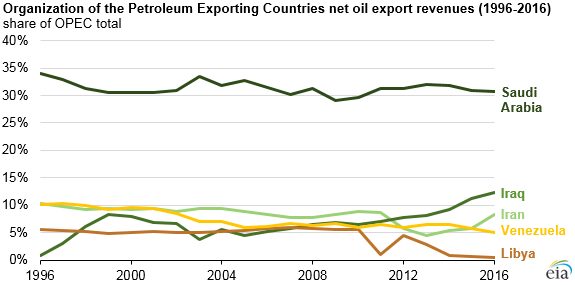
The eight OPEC+ countries steering the group's voluntary cuts met by video on Sunday, November 2, and did two things at once. They approved a 137,000 barrels-per-day production increase for December, the same size step they took in October and November. And they agreed to stop there. No further additions in January, February or March. For a group that has raised its target nine months running, that pause is the real headline.
The eight are Saudi Arabia, Russia, Iraq, the United Arab Emirates, Kuwait, Kazakhstan, Algeria and Oman. Their statement leaned on the calendar: production growth halts in the first quarter of 2026 because of seasonality, the stretch of the year when refiners cut runs for maintenance and demand normally softens after winter. The group framed the December rise as consistent with a steady global economic outlook and what it called healthy market fundamentals, pointing to low oil inventories.
What actually got decided
The December barrels come out of the same bucket the group has been drawing down all year: a 1.65 million bpd tranche of voluntary cuts held by these eight members. That tranche sits on top of the larger 2.2 million bpd voluntary reduction the same countries began returning to the market in April. Add in the December step and the group has now walked back the bulk of the barrels it had been holding off the market, doing it in small, repeatable increments rather than one flood.
The language on the pause matters as much as the pause itself. The eight said the 1.65 million bpd still parked can be returned in part or in full, subject to evolving market conditions. Translation: the door is not shut. A one-quarter hold is a hold, not a reversal. If prices firm or a supply shock hits, these countries have told the market plainly they can reopen the taps on short notice.
Why now
Price is the plain answer. Brent settled around $65 a barrel heading into the meeting, near the bottom of its 2025 range. Crude has drifted lower most of the year on a mix of soft demand growth and rising output from producers outside the alliance, with the Americas leading that supply gain. Pumping more into a market already looking oversupplied would push prices down further, and there is a limit to how much market share is worth chasing at a loss.
Forecasters have been warning about a surplus building into next year. The setup for the first quarter is a seasonal demand dip landing on top of a market many analysts already expect to be in glut. Holding output flat through those three months lets OPEC+ avoid adding fuel to that fire while it watches how big the surplus actually gets. Saudi Arabia, which drove the earlier increases, backed the pause on the read that inventories are set to build early next year.
The market-share bet, revisited
For most of 2025 the story out of Vienna was a strategic pivot: stop defending price, start defending market share, and let low prices squeeze higher-cost rivals, U.S. shale chief among them. The monthly 137,000 bpd increases were the mechanism. Sunday's decision doesn't abandon that bet. It just recognizes that the first quarter is the wrong time to press it.
Shale is the target that never quite breaks on schedule. U.S. producers have kept output resilient even with prices in the low-to-mid $60s, trimming rigs but squeezing more out of each well. So OPEC+ gets a live test. Freeze its own additions for a quarter and see whether non-OPEC+ supply growth cools on its own, or whether rivals simply take the space the group just declined to fill.
What analysts are saying
Rystad Energy chief economist Claudio Galimberti tied the backdrop to central banks, arguing the U.S. Federal Reserve's shift toward easier policy gives commodities a tailwind.
The Fed's decision underscores a broader turn in its policy cycle, one that favours gradual reflation and support over restraint, providing a tailwind to commodities sensitive to economic activity.
That is the bull case in miniature: cheaper money, firmer demand, and an OPEC+ that has quietly taken supply growth off the table for three months. The bear case is simpler. Non-OPEC+ barrels keep coming, the seasonal dip is real, and a one-quarter pause only delays the surplus rather than clearing it.
What to watch next
The eight are due to meet again on November 30 to review conditions, and the full OPEC+ group holds its ministerial gatherings on the usual schedule. Between now and then, three things will tell you whether the pause holds:
- Inventory data. If crude and product stocks build faster than expected through December, the case for holding flat, or even trimming, gets stronger.
- The Brent curve. A slide back toward the low $60s would harden the pause. A rally toward $70 would put the return of that 1.65 million bpd tranche back on the table quickly.
- Compliance and quota math. Several members have overproduced against their targets this year and owe compensation cuts. How strictly those are enforced shapes how much oil actually reaches the market, pause or no pause.
Strip away the choreography and the message is disciplined, not dramatic. OPEC+ added one more small increment because it had signaled it would, then drew a line at the seasonally weakest quarter of the year. The group kept its optionality intact and put the burden of proof back on the market. If the glut everyone is forecasting shows up, expect this pause to stretch. If it doesn't, the taps can reopen fast, and OPEC+ has made sure everyone knows it.
Sources
https://www.thenationalnews.com/business/energy/2025/11/02/opec-to-pause-production-growth-after-modest-december-rise/https://nairametrics.com/2025/11/03/opec-to-pause-oil-output-increases-in-q1-2026-after-december-hike/https://www.oilandgasmiddleeast.com/news/opec-production-increases-q1-2026https://www.cnbc.com/2025/11/02/opec-reportedly-set-to-agree-another-modest-oil-output-increase.htmlhttps://www.business-standard.com/economy/news/crude-prices-may-fall-as-opec-boosts-output-for-market-share-125090801223_1.htmlhttps://www.eia.gov/todayinenergy/detail.php?id=66944