Dangote Refinery Emerges as the World's Largest Jet Fuel Exporter Amid Middle East Disruptions
War-driven supply shocks pushed the Lagos plant into 'max jet mode,' and in April it out-shipped every rival exporter on Earth.

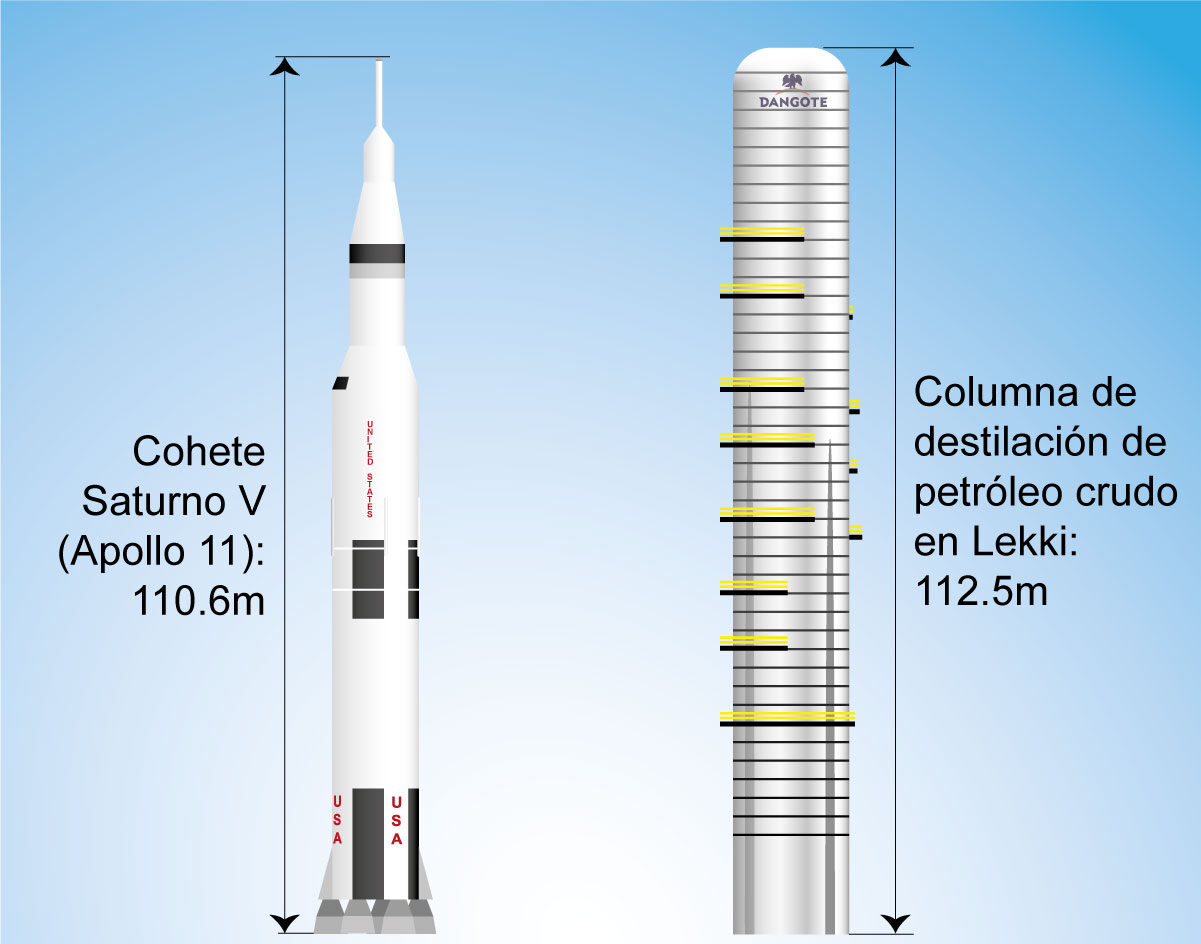
The Dangote Petroleum Refinery on the outskirts of Lagos became the single largest exporter of aviation fuel on the planet in April, a position no African plant has ever held. The trigger was war. As conflict in the Middle East scrambled established shipping routes and pulled cargoes away from their usual buyers, Aliko Dangote's 650,000-barrel-per-day refinery flipped into what its own executives call 'max jet mode' and started filling the gap. By the time the S&P Global Commodities at Sea data landed, the plant that most of the industry doubted could run at all was outshipping Gulf and Asian refiners it was supposed to be chasing.
That is a genuine inversion of the old order. Nigeria spent decades exporting raw crude and importing nearly every drop of the fuel it burned, including jet fuel for its own airlines. Now the refinery is loading kerosene onto vessels bound for Europe and, for the first time, sending refined-product cargoes across the Atlantic to United States ports. Dangote has already flagged a fresh $10 billion expansion on top of it.
How a war rewrote the flows
Jet fuel is the tightest, most reactive corner of the refined-products market. Airlines cannot substitute it, and the number of refineries configured to make large volumes of it is limited. When Middle East hostilities disrupted throughput at traditional export hubs, the buyers who relied on those barrels went looking elsewhere fast. Dangote was one of the few plants with spare flexibility to answer.
Refineries choose their product slate. A complex plant can dial its cut toward diesel, gasoline, or kerosene depending on margins and demand. Dangote shifted its yield toward aviation fuel, and the numbers moved with it. Kpler data cited on Nigerian television put the plant's jet fuel output on a steep climb: roughly 20,000 barrels a day when production began in April 2024, about 65,000 barrels a day by the end of that year, and peaks near 160,000 barrels a day. Cumulative jet fuel exports from the refinery's start through April 2026 crossed 57 million barrels.
Cargoes to Europe, and now America
Europe took the bulk of the volume. Jet fuel shipments from Nigeria to the continent roughly doubled between consecutive months earlier this year, climbing to 466,000 metric tonnes from 232,000 the prior month, the highest volume Dangote has ever sent Europe's way. Those are barrels that would once have moved out of the Gulf.
The American leg matters more than its size. Nigeria delivered its first gasoline cargo to the United States back in September 2025, with Vitol and Sunoco named as buyers, and refined-product vessels have since arrived at US ports in delivery waves. A single wave earlier this year brought roughly 1.7 million barrels across six ships. For a refinery that opened to widespread skepticism, landing product in the world's most demanding fuel market is the clearest proof yet that the plant can meet international specifications and hold a schedule. Dangote has been blunt about the intent. 'Our refinery is an export-oriented refinery,' he said after the plant hit full capacity in February.
The $10 billion bet on getting bigger
Rather than bank the win, Dangote wants to roughly double down. The company has outlined a $10 billion program to lift refining capacity to 1.4 million barrels per day, which would make the site the single largest refinery in the world and give it a claim on close to 90 percent of Nigeria's entire crude output. That last figure is the catch. At that scale the refinery cannot feed itself on Nigerian grades alone.
Management has said so plainly. Chief executive David Bird has described the operation as 'a fully merchant refining model that you could see in Europe or Asia,' and signaled the plant will get into crude blending, with capacity to run around 30 percent Middle Eastern grades. The expansion also adds heavier processing kit, including a large propane dehydrogenation unit and a diesel hydrotreater, pushing Dangote beyond fuels and toward petrochemicals. Vice president Devakumar Edwin has said the refinery plans to export all the additional product the expansion produces.
What it means for Nigeria and for airlines
The strategic upside for Nigeria is real. Refined-product exports capture far more value than shipping crude, and the foreign-currency earnings strengthen a country that has struggled with its external balance for years. As Dumebi Oluwole of Financial Derivatives Company put it, the shift 'strengthens Nigeria's external balance position.' She also cautioned against reading too much into a single company's success, given Nigeria's long history of failed refinery ventures and investor wariness that comes with it.
For airlines, Dangote is now a swing supplier at a moment when jet fuel has been expensive and tight. Multiple African governments, including South Africa, Kenya, and Ghana, are said to be in talks over longer-term supply. That is a structural change in where the continent buys its fuel, and it lowers the region's dependence on distant, disruption-prone hubs.
The risks behind the milestone
A crown built on a war is not a durable one. Much of Dangote's April lead came from disruption elsewhere; if Middle East supply normalizes, some of those barrels flow back to their old routes and the ranking can slip. The bigger question is feedstock. A 1.4 million barrel-per-day plant that leans on imported crude takes on price and logistics exposure that a domestically supplied refinery avoids, and blending Middle Eastern grades ties Dangote to the very region whose instability handed it this opening.
There is also the matter of proving it can last. Being the world's biggest jet fuel exporter for a month is a headline. Holding the position through a full demand cycle, funding a $10 billion build, and securing crude for it is the harder job. For now, the fact stands on its own. A single Nigerian refinery outshipped every jet fuel exporter in the world, sent cargoes to Europe and the United States, and told the market it intends to get twice as large. Whatever comes next, the old assumption that Nigeria can only sell crude is finished.
Sources
https://www.thisdaylive.com/2026/05/30/dangote-refinery-emerges-worlds-biggest-jet-fuel-exporter-set-to-spend-10bn-on-expansion/https://www.channelstv.com/2026/05/30/middle-east-dangote-refinery-becomes-worlds-biggest-jet-fuel-exporter-amid-supply-disruptions/https://www.billionaires.africa/2026/06/02/dangote-refinery-is-now-the-worlds-biggest-jet-fuel-exporter-and-aliko-dangote-wants-to-supply-the-globe/https://businessday.ng/energy/article/dangote-refinery-becomes-worlds-top-jet-fuel-exporter-as-middle-east-crisis-lingers/https://www.premiumtimesng.com/business/business-news/877731-dangote-refinerys-jet-fuel-exports-hit-57-million-barrels-as-airlines-battle-rising-aviation-costs.htmlhttps://punchng.com/dangote-beats-us-ships-n757bn-jet-fuel-to-europe-report/