Condensate: The 'Almost-Crude' That Refineries Love and Hate
Ultra-light hydrocarbon liquids sit in a regulatory and refining gray zone between crude and NGLs, and where you draw the line decides who can process them, who can ship them, and who profits.

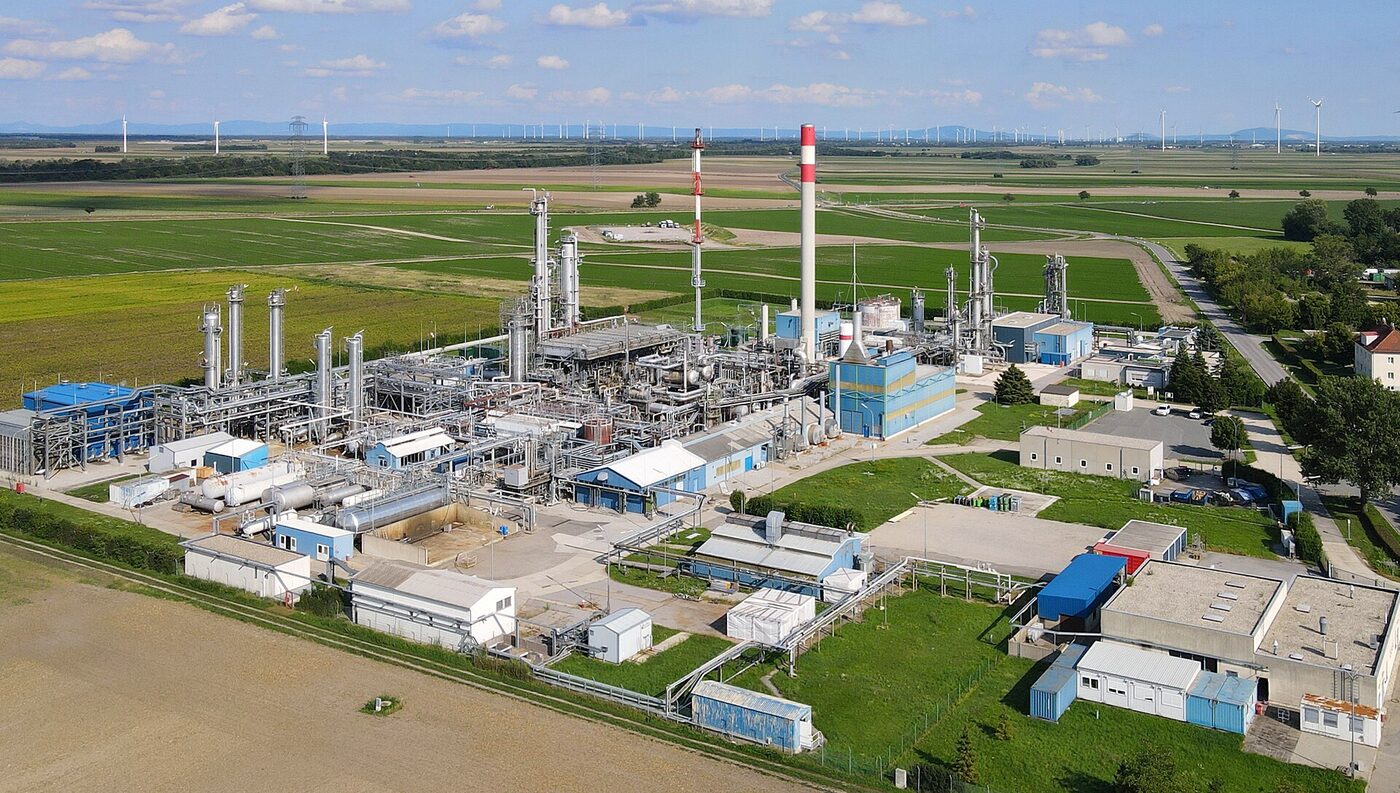
Stand at the tailgate of an Eagle Ford lease separator and you can watch a barrel of American oil pick a side. Gas flashes off the top. A clear, gasoline-smelling liquid drops out the bottom, so light it looks like it belongs in a lawnmower, not a supertanker. That liquid is condensate, and for the better part of a decade it forced regulators, traders, and refiners to answer a question they had never really had to ask: is this stuff crude, or isn't it? The answer was worth billions, and it still shapes who wants a barrel and who runs the other way.
Three liquids, one confusing family
Start with the definitions, because everything downstream turns on them. Lease condensate is the light liquid that drops out of the gas stream at the wellhead or at a field separator, mostly pentanes and heavier hydrocarbons that condense at surface temperature and pressure. It gets collected on the lease and, in the U.S. accounting system, it goes into the crude oil barrel. The Energy Information Administration is explicit about this: lease condensate is counted as crude oil.
Plant condensate is a different animal on paper even if it looks similar in a jar. Also called natural gasoline, pentanes-plus, or C5+, it stays suspended in the gas all the way to a processing plant and gets pulled out there during fractionation. EIA classifies plant condensate as a natural gas liquid, not crude. Same molecules, roughly. Different bucket, entirely, because of where in the chain it was separated.
Then there's the line between condensate and honest light crude, and it's fuzzier than anyone likes. Condensate runs light, with API gravity generally cited from the mid-40s up to 70 or 80 degrees. The rough industry convention puts the divide somewhere around 50 to 55 degrees API. Below that you're calling it crude; above it you're calling it condensate. There is no molecule that flips a switch at 50 degrees. It's a convention, and conventions get argued over when money is on the table.
The API creep that made it real money
None of this was academic once the shale boom hit. Wells in the Eagle Ford and parts of the Permian got lighter and lighter as operators drilled into the volatile-oil and wet-gas windows. Streams that used to grade as light crude crept up into condensate territory, a trend RBN Energy and others tracked as the field simply produced more of the ultra-light stuff every year.
That mattered because of a law written for a different era. After the 1973 Arab oil embargo, the U.S. banned exports of crude oil. For forty years it barely mattered, because the country was a net importer and had nothing to spare. Shale flipped that. Suddenly Gulf Coast operators were sitting on a flood of superlight barrels that domestic refineries didn't especially want, and the one obvious buyer, the export market, was walled off, at least for anything classified as crude.
Condensate, being the almost-crude, became the pressure point.
The stabilizer loophole and the splitter boom
In June 2014, the Commerce Department's Bureau of Industry and Security handed Pioneer Natural Resources and Enterprise Products private rulings that let them export processed Eagle Ford condensate. The key word was processed. Run the condensate through a field stabilizer, strip out the light ends and lower the vapor pressure, and BIS was willing to treat the result as a petroleum product rather than crude. A distillation step, even a minimal one, became the legal line between a barrel you couldn't export and one you could.
That ruling lit a fire under condensate splitters. A splitter is a stripped-down distillation tower, a mini-refinery that does one job: take ultra-light condensate and cut it into naphtha, some jet and diesel, and light ends. Build one, run condensate through it, and you had a clearly "processed" product on the other side. Just as important, you had a way to monetize condensate that was trading at a discount to West Texas Intermediate, sometimes several dollars a barrel cheaper, because there was more of it around than anyone could easily place. Splitter announcements piled up along the Gulf Coast in 2013 and 2014, though the pace stalled once traders realized the whole export-classification question was in flux.
Why refiners run hot and cold on it
Here's the part that makes condensate a headache even setting policy aside. A splitter or a refinery cracking condensate gets a product slate dominated by naphtha. Reported yields run north of 60 percent naphtha, with the exact number swinging by feedstock. What it does not give you, in any real quantity, is middle distillate, the jet and diesel and heating oil that carry a refinery's margins.
That's the whole problem. A Gulf Coast refinery is built to take heavier crude and squeeze out a balanced slate heavy on distillate, which is where U.S. and global demand growth has lived. Pour condensate into a plant designed for medium sour and you overwhelm the front end with light naphtha-range material the unit can't productively use. Standalone splitters have it worse: little feedstock flexibility, little product flexibility, and an output stream that's mostly naphtha, a product with thinner and more volatile domestic demand than diesel. Their economics live or die on placing that naphtha, often by exporting it to petrochemical crackers or gasoline blenders overseas.
So refiners love condensate when it's cheap and they can blend a little into a heavier diet, and they hate it when it shows up as a firehose of naphtha they have to move at a discount. It's a feedstock that rewards the operator with the right configuration and punishes everyone else.
What the 2015 rollback left behind
The special status condensate enjoyed didn't last. In December 2015 Congress lifted the crude export ban outright. Overnight, the careful distinction between stabilized condensate you could ship and raw crude you couldn't stopped mattering for exports, because both could now leave the country. The stabilizer loophole that had justified a wave of splitter investment was simply gone, folded into a general freedom to export.
That was a rough turn for anyone who'd signed a throughput commitment to a splitter on the theory that processing was the only path to the water. Add a decline in condensate output starting in early 2015, and the splitter operators caught a genuine one-two punch: less feedstock and no regulatory reason to route it through their towers.
The splitters that survived did so on real refining economics, naphtha placement and blending value, not on a policy quirk. And the underlying classification questions never actually went away. EIA still counts lease condensate as crude and plant condensate as an NGL. The 50-to-55-degree API line is still a convention people argue over on term sheets. Condensate is still the barrel that doesn't quite fit the plant it shows up at. It's genuine American production, a lot of it, and it still makes everyone in the chain decide, one barrel at a time, whether they want the almost-crude or wish it had stayed in the ground as gas.
Sources
https://www.eia.gov/tools/glossary/index.php?id=Leasehttps://www.eia.gov/dnav/pet/pet_crd_api_adc_mbblpd_m.htmhttps://www.enverus.com/blog/what-exactly-is-condensate/https://rbnenergy.com/daily-posts/blog/or-without-splitting-changing-lease-condensate-export-definitionshttps://rbnenergy.com/daily-posts/blog/condensate-production-decline-hits-splitters-and-neat-conde-exporthttps://www.hartenergy.com/opinions/eagle-ford-condensate-becoming-exportable-new-gulf-coast-splitters-119614