Aramco Lifts September Arab Light OSP to Asia to a $3.20 Premium Over Oman/Dubai
Saudi Aramco raised the September price of its flagship grade to Asian refiners by a dollar a barrel, a bet that the region will keep buying even as OPEC+ pours barrels back into the market.

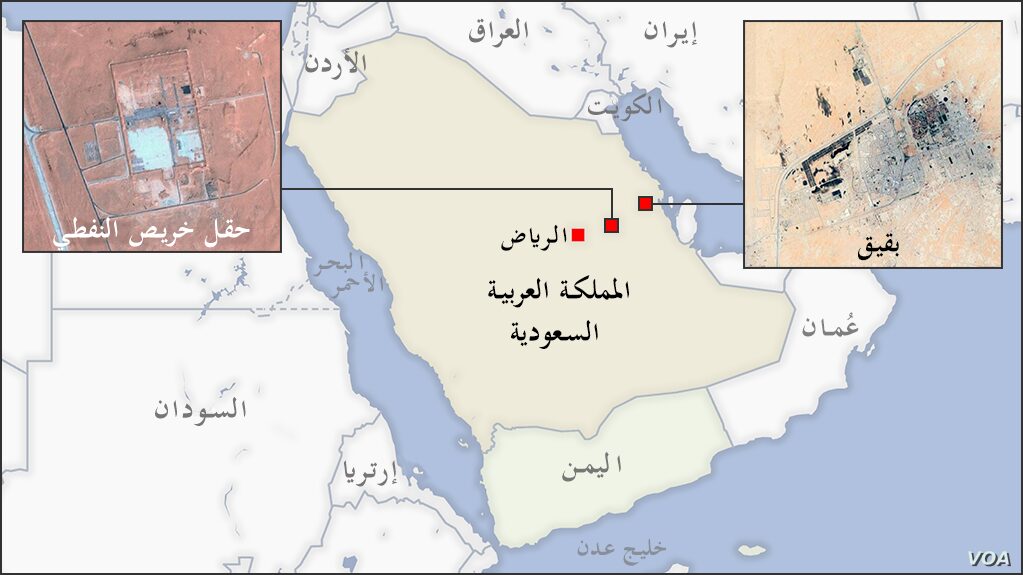
Saudi Aramco set the September official selling price for its flagship Arab Light crude to Asia at a premium of $3.20 a barrel over the Oman/Dubai average, a $1.00 increase from August. The state producer announced the monthly formula prices on August 4, and the size of the move surprised no one who had been watching the physical market tighten through July. It is a firm signal that Riyadh reads Asian demand as strong enough to absorb the extra oil now flooding out of OPEC+ wells.
The OSP is the discount or premium Aramco adds to a benchmark to price its term barrels for a given loading month. It is not a spot quote, and it is not marketing spin. It is the number that sets the cost of crude for the refiners in China, India, Japan and South Korea that take the bulk of Saudi exports, and it is reset every month based on how those refiners are bidding and how the underlying market structure is moving. When Aramco lifts the flagship grade by a full dollar, it is telling its biggest customers that the barrels are worth more, and it expects them to pay.
What Aramco actually changed
Arab Light for Asia went to plus $3.20 over Oman/Dubai for September, up from plus $2.20 in August. Aramco raised the lighter and heavier grades too, though by different amounts. Arab Extra Light rose by $1.20 a barrel and Arab Heavy gained $0.70, which tells you the increase was broad-based rather than a quirk of one grade's economics. When the whole slate moves up together, the driver is usually the benchmark structure and refiner appetite, not a single-product margin story.
Aramco also pushed prices higher into Europe for September while holding its formula to the United States roughly steady against the Argus Sour Crude Index. That regional split matters. Europe and the U.S. are marginal markets for Saudi crude; Asia is the main event. Roughly 60 percent of Saudi exports head east, so the Asia number is the one that moves budgets and the one traders parse first.
Why the increase, and why now
The backdrop is the Dubai market structure. Through July, the prompt spread between first- and third-month Dubai stayed in steep backwardation, meaning barrels for immediate delivery traded at a healthy premium to later months. That is the classic fingerprint of a tight prompt market, and Aramco prices off exactly that curve. A stronger Dubai structure gives Aramco the cover to lift its OSP without pricing itself out of the market, because the alternative barrels a refiner might buy have gotten more expensive too.
Refining margins in Asia held up over the summer as well. When a refiner can make money turning crude into product, it can stomach a higher crude price. Middle distillate cracks in particular stayed supportive, and that gives Aramco room to charge more for the medium-sour barrels its Asian customers run.
There is also a demand read baked into this. A dollar hike is Aramco saying it does not see Chinese and broader Asian buying rolling over into the autumn. That is a real call, not a formality, because Aramco could have played it safe with a smaller bump and it chose not to.
The OPEC+ tension underneath
Here is what makes the increase interesting rather than routine. OPEC+ is unwinding its cuts fast. The eight countries in the voluntary-cut group agreed to add 548,000 barrels a day in August, well above the 411,000 they had been layering on in prior months, and they lined up a further increase of about 547,000 barrels a day for September. The taps are opening.
Ordinarily, more supply from the group would argue for lower official prices, not higher ones. Aramco is doing the opposite. That is the signal worth sitting with. The kingdom is betting it can put more of its own barrels into the market and charge more for them at the same time, which only works if demand is genuinely there to meet the extra supply. Raise the OSP into a weak market and you lose volume. Raise it into a strong one and you capture the upside on every barrel.
So the September move is really two decisions stacked together: pump more, and price it up. If the demand call is right, Aramco wins on both. If it is wrong, the higher OSP will show up as thinner term nominations from Asian refiners in the following months, and the price will have to come back down.
What it means for buyers and the market
For Asian refiners, a dollar on Arab Light is a real cost. It narrows the arb against competing grades and nudges some buyers to look harder at alternatives, whether that is other Middle East sour crude, U.S. or West African barrels, or Russian oil where sanctions and logistics allow. Aramco knows this. The fact that it raised anyway says it is confident the Dubai structure and Asian margins justify the premium and that customers will keep the term barrels rather than walk.
For the wider market, the OSP is a monthly demand thermometer that comes straight from the largest exporter's own reading of its customers. A confident hike into rising OPEC+ output is a bullish tell on the physical market, at least as of early August. With Brent holding comfortably above $60 and the prompt Dubai curve backwardated, the pricing lines up with a market that is still absorbing barrels rather than choking on them.
The read going forward
Watch two things next month. First, the October OSP: if Aramco holds or extends the premium, it means the demand call held and the extra OPEC+ barrels found homes. If it cuts sharply, it means the market softened faster than Riyadh expected and the September hike was a step too far. Second, watch Dubai's prompt structure through August. The OSP follows that curve, so a flattening spread would foreshadow a smaller premium ahead, while continued backwardation would support another firm number.
For now, the September print is a straightforward statement from the world's biggest crude exporter. More oil is coming, and Aramco is charging more for it. That is not the posture of a producer worried about demand.
Sources
https://www.ainvest.com/news/saudi-aramco-lifts-sept-arab-light-osp-asia-3-20-bbl-2508/https://www.arabnews.com/node/2610906/business-economyhttps://oilprice.com/Latest-Energy-News/World-News/Aramco-Raises-Arab-Light-Prices-In-Big-Bet-On-Asian-Refining-Boom.htmlhttps://en.macromicro.me/charts/58748/saudi-arabia-official-selling-price-for-arab-light-crudehttps://energynow.com/2025/07/opec-speeds-up-oil-output-hikes-adds-548000-bpd-in-august/https://www.globalsecurity.org/military/library/news/2025/08/mil-250803-sputnik01.htm